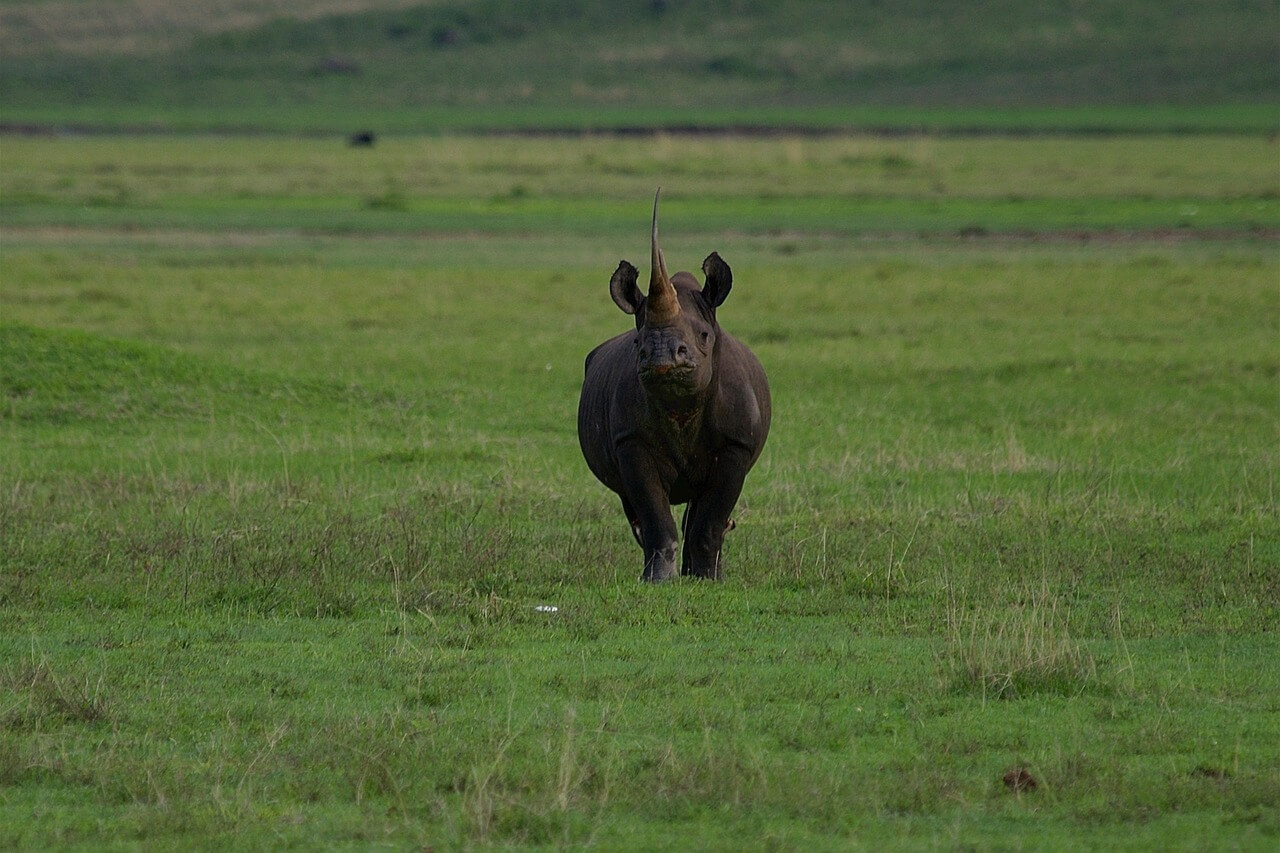
Ngorongoro Crater

Northern Tanzania

Destination

  1. Home
  2. Ngorongoro Crater

Ngorongoro Crater

Overview

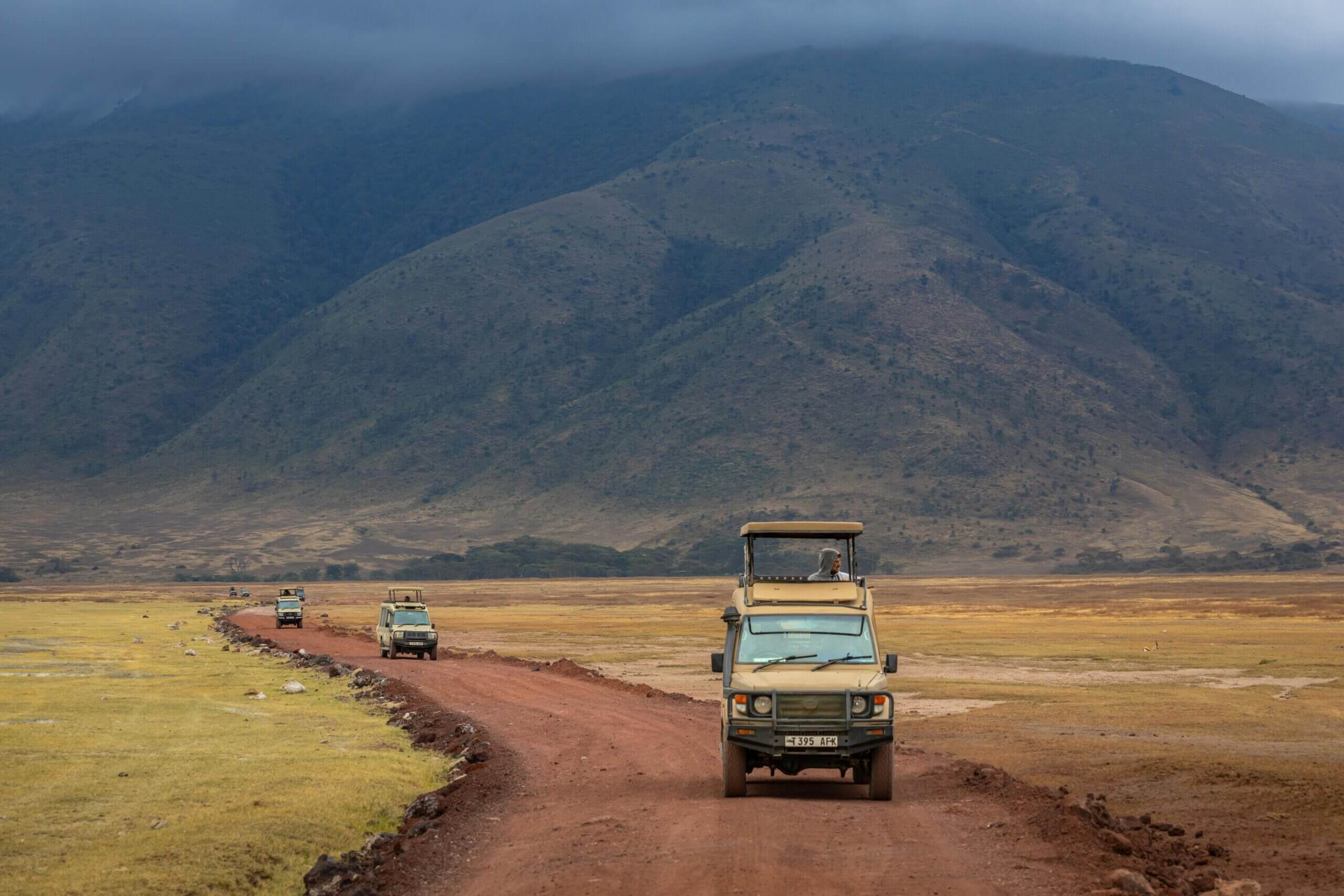
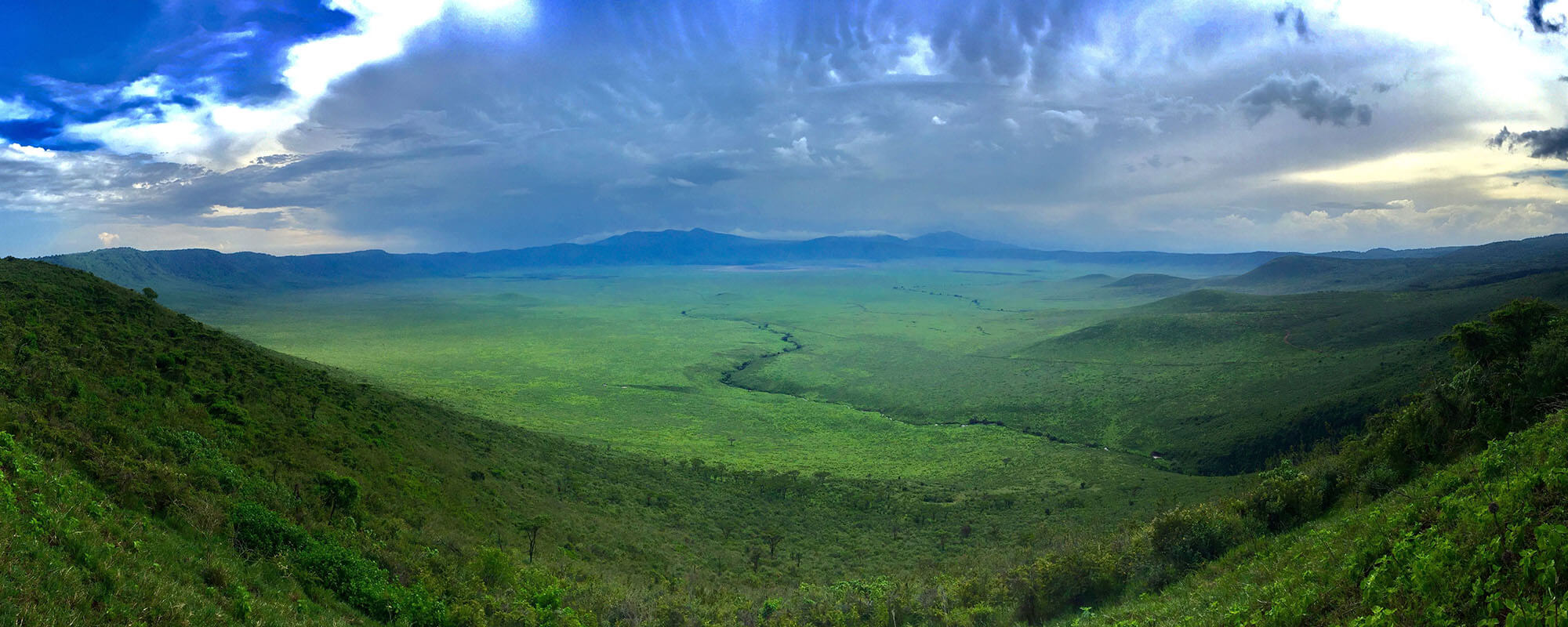
The Ngorongoro Crater is often called the “Eighth Wonder of the World” and is a UNESCO World Heritage Site. Formed around 2–3 million years ago after a massive volcanic eruption, it is the world’s largest intact volcanic caldera, spanning 260 square kilometers with walls rising over 600 meters. This natural amphitheater is home to an astonishing concentration of wildlife, making it one of Africa’s premier safari destinations.

Because of its fertile soils, permanent water sources, and lush grazing grounds, the crater floor sustains over 25,000 large animals year-round  a safari paradise where wildlife viewing is almost guaranteed.

All about ngorongoro conservation area

Wildlife in Ngorongoro Crater

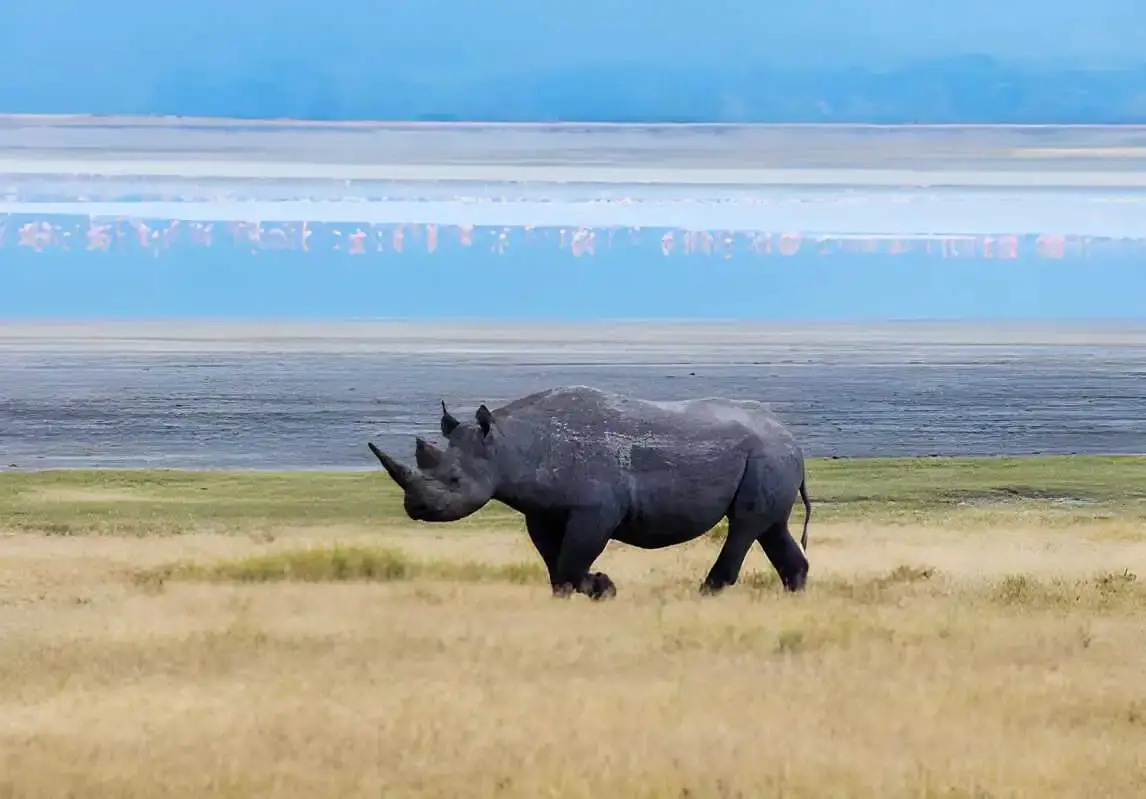
  • Big Five: Lions, elephants, buffalo, leopards, and the highly endangered black rhinoceros.
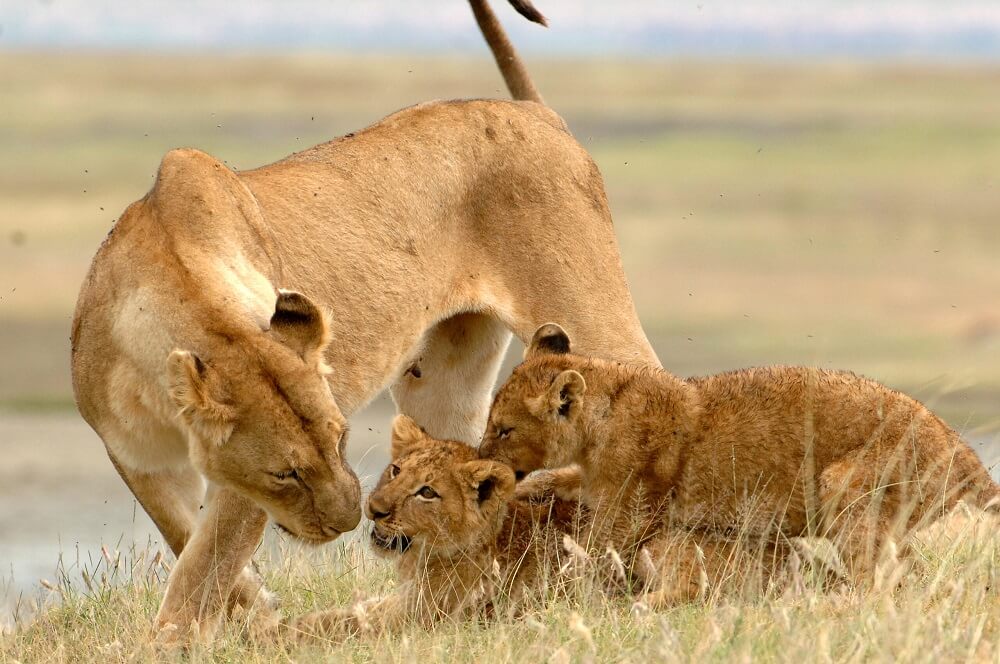
  • Predators: Large prides of lions, spotted hyenas, jackals, and occasional cheetahs.
  • Herbivores: Huge populations of wildebeest, zebras, gazelles, and hippos.
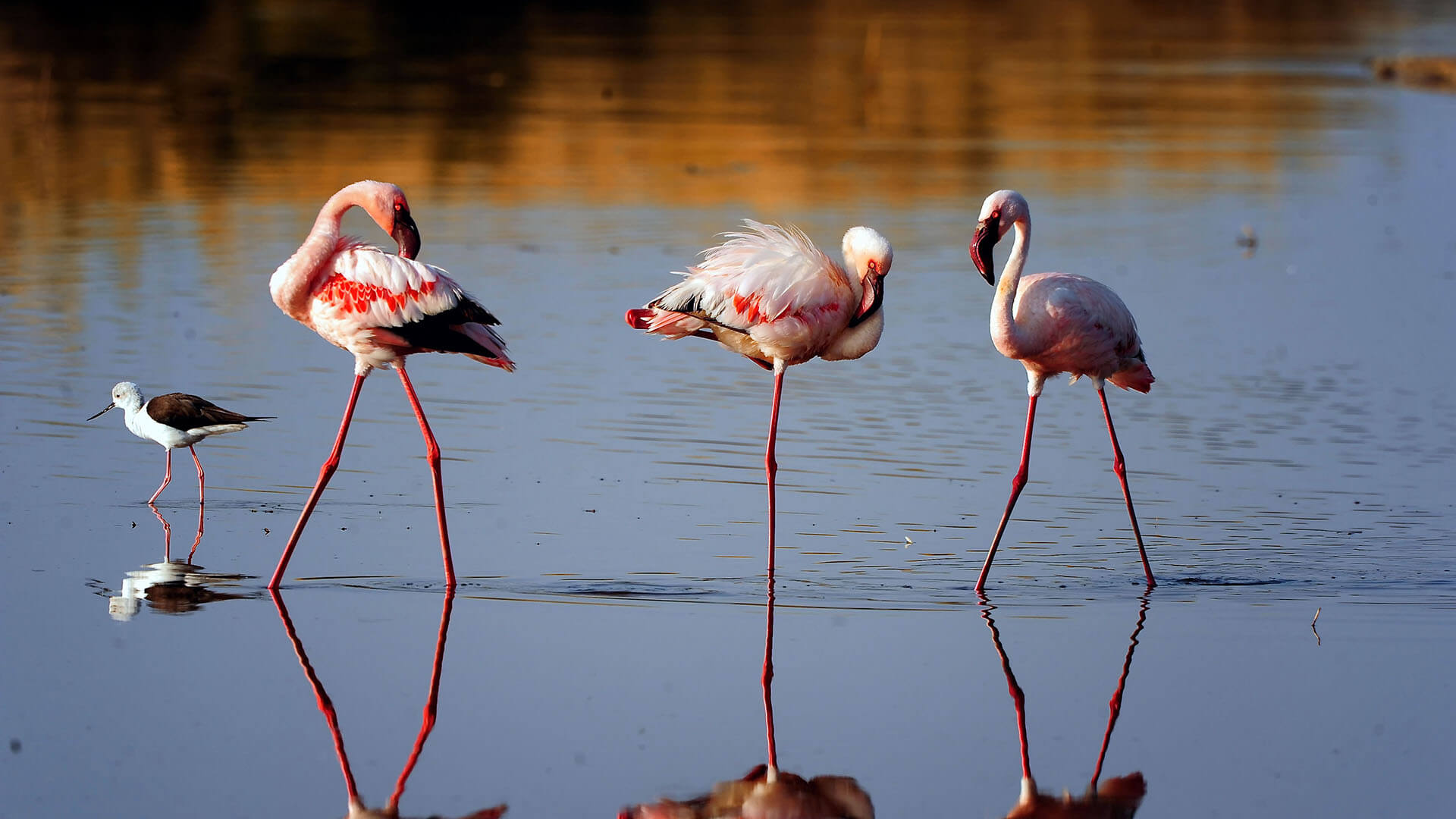
  • Birdlife: Flamingos and pelicans on Lake Magadi, plus over 500 bird species including ostriches and crowned cranes.
  • Unique Features: The crater offers one of the best chances in Tanzania to see the elusive black rhino.

Activities in Ngorongoro

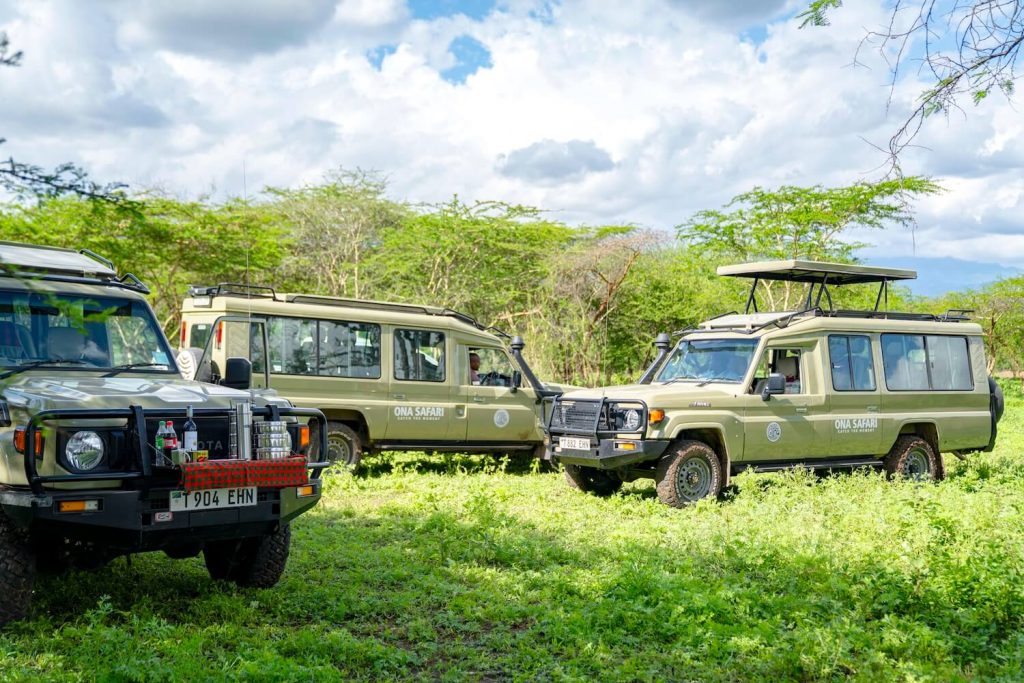
  • Crater Floor Game Drives: Half-day safaris inside the crater to see Big Five and dense wildlife populations.
  • Crater Rim Views: Stunning panoramas from lodges and viewpoints along the rim.
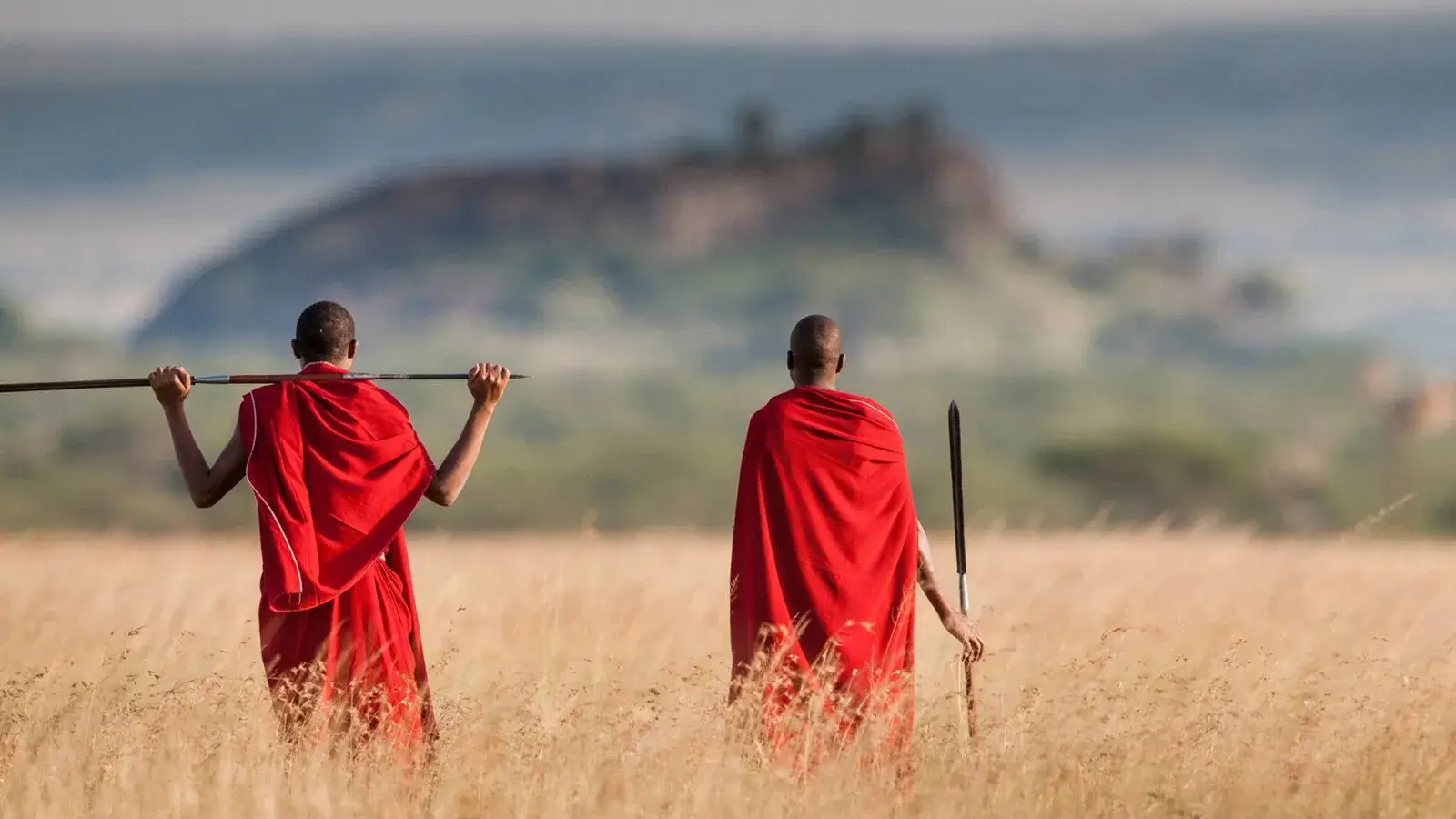
  • Cultural Encounters: Visit Maasai villages on the crater rim to learn about traditional pastoralist life.
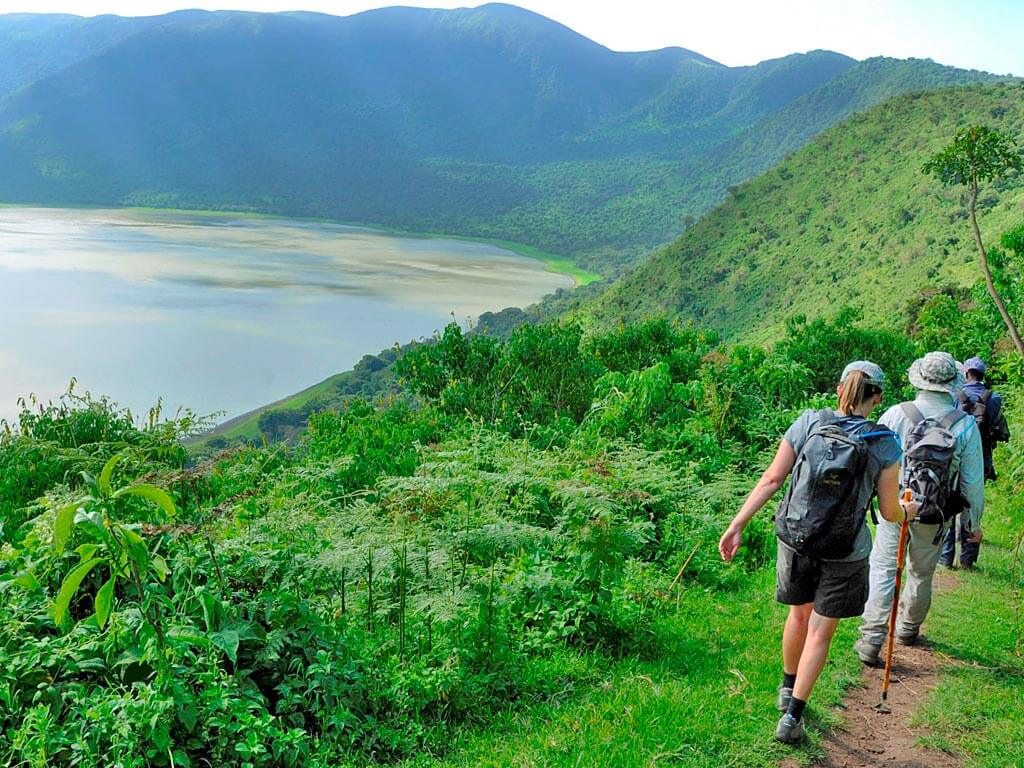
  • Nature Walks: Guided walks in the highlands surrounding the crater (outside the floor).

Highlights of Ngorongoro Crater

  • See the Big Five in one place.
  • Spot rare black rhinos.
  • Witness huge herds of herbivores in a dramatic natural setting.
  • Enjoy spectacular panoramic views from the crater rim.
  • Visit nearby Maasai villages and learn about their way of life.

[ FAQ ]

Common Questions

Where is Serengeti National Park located?

Serengeti National Park is located in northern Tanzania, forming part of a vast ecosystem that extends into Kenya’s Maasai Mara.

The park is best known for the Great Wildebeest Migration, where millions of wildebeest, zebras, and gazelles move in search of fresh grazing.
You can see the Big Five (lion, leopard, elephant, buffalo, and rhino), along with cheetahs, giraffes, hyenas, and a wide variety of bird species.
You can reach the park by road from Arusha or by domestic flights to various airstrips within the park.
A stay of 3 to 5 days is recommended to fully experience the park and increase your chances of seeing diverse wildlife.
Yes, it is suitable for families, though some lodges may have age restrictions for safety reasons.

Yes, game drives are safe when conducted by professional guides who follow park regulations and wildlife safety guidelines.

Yes, the migration is a continuous cycle, but its location changes throughout the year within the Serengeti ecosystem.

Absolutely. Many travelers combine it with Ngorongoro Crater, Tarangire National Park, or a beach holiday in Zanzibar.

Quick Links

Interested?

Get all the trip details & itinerary delivered straight to your inbox!

Proven Journeys. Trusted Expertise.

Our safari destinations are carefully selected through real on-the-ground experience and guided by deep local expertise, ensuring every journey delivers authentic wildlife encounters, seamless logistics, and truly memorable moments across Tanzania.

Receive expert guidance from our Tanzania safari specialists