Lake Manyara National Park

Northern Tanzania

Destination

  1. Home
  2. Lake Manyara National Park

What you need to know about Serengeti National Park

Overview

Lake Manyara National Park is a small yet incredibly diverse park located just 90 minutes from Arusha and often visited on the way to Ngorongoro or Serengeti. Covering 325 square kilometers, two-thirds of the park is taken up by the shallow alkaline Lake Manyara, which attracts an astonishing array of birds and wildlife.

Despite its compact size, the park is famous for its tree-climbing lions, massive flocks of flamingos, and rich habitats ranging from groundwater forests to open grasslands and hot springs. Its dramatic Rift Valley escarpment backdrop makes it one of the most scenic parks in Tanzania.

All you need to know about lake Manyara National Park

Lake Manyara National Park is one of Tanzania’s most scenic and diverse safari destinations, set dramatically between the Great Rift Valley escarpment and the shimmering alkaline waters of Lake Manyara. Though relatively small in size, the park offers an incredible variety of habitats from lush groundwater forests and acacia woodlands to open savannah, swamps, and hot springs.

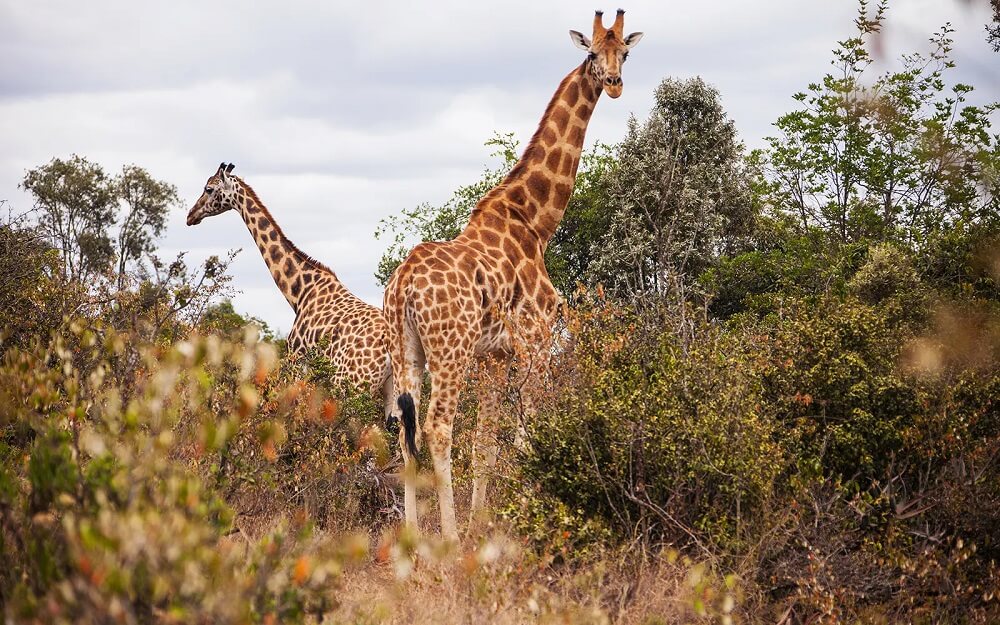
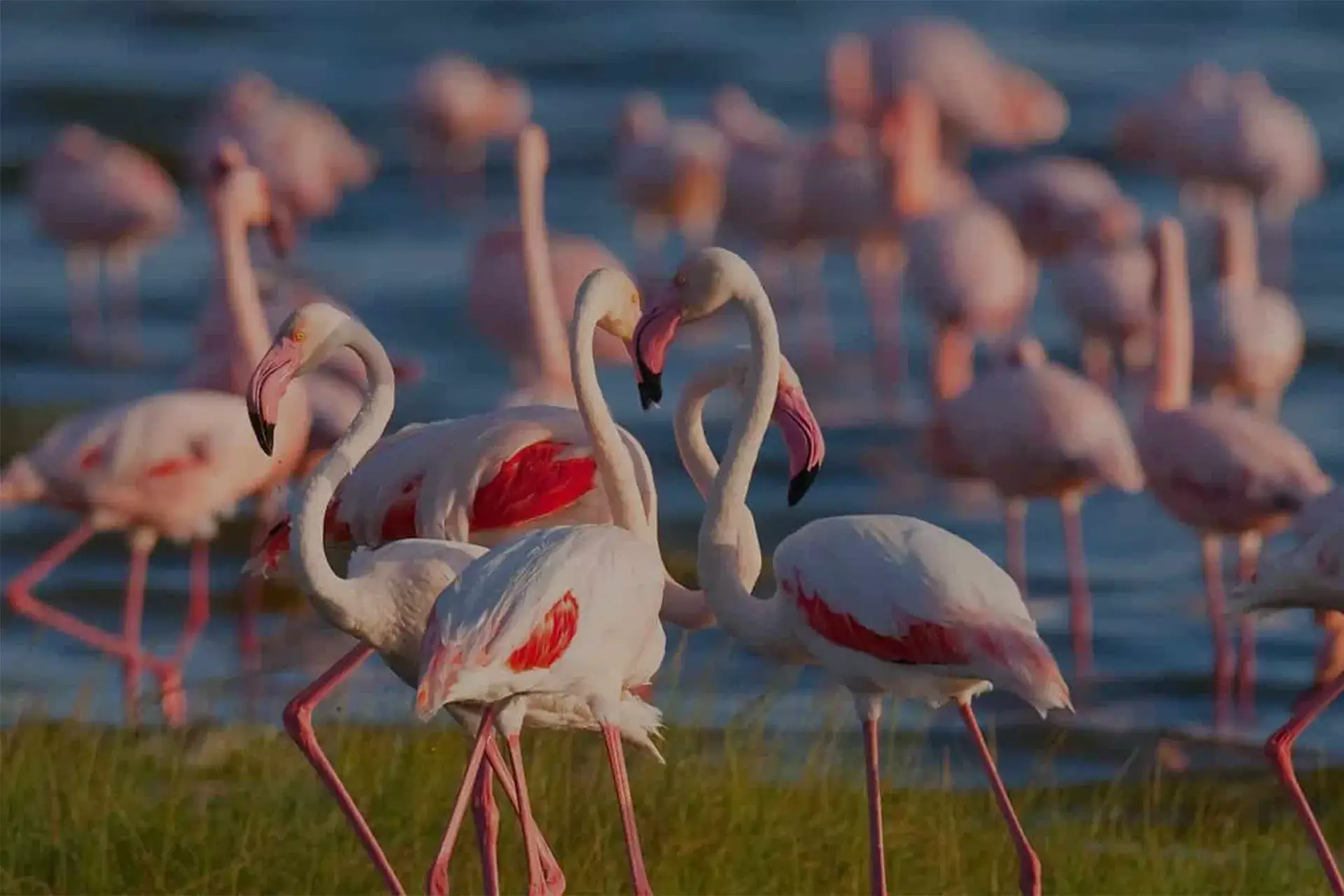
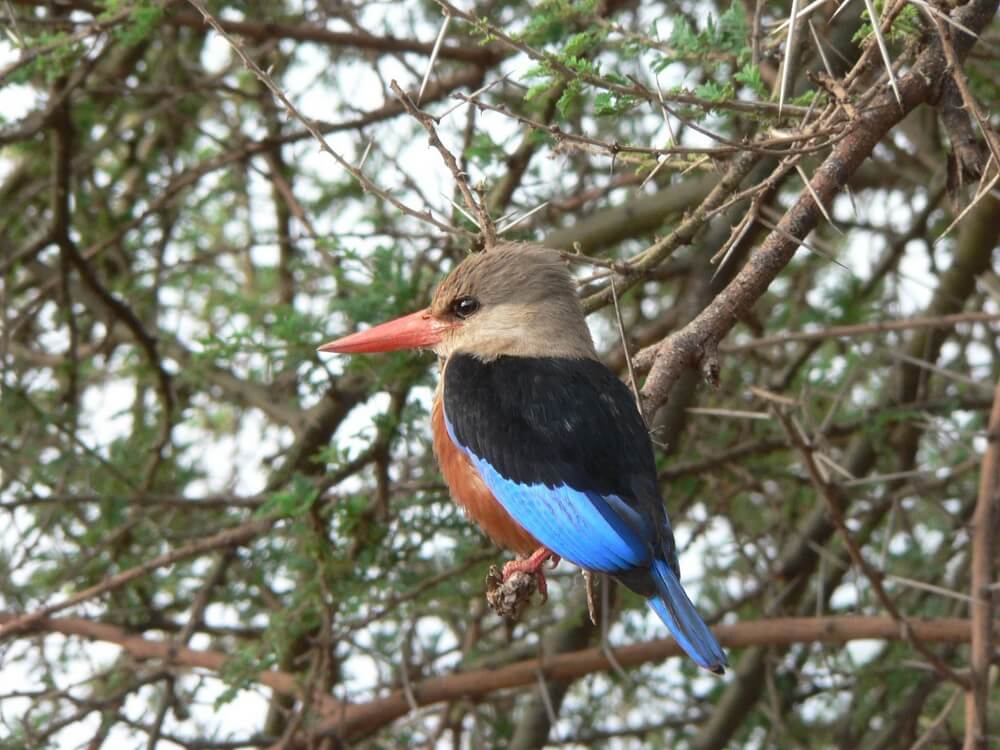
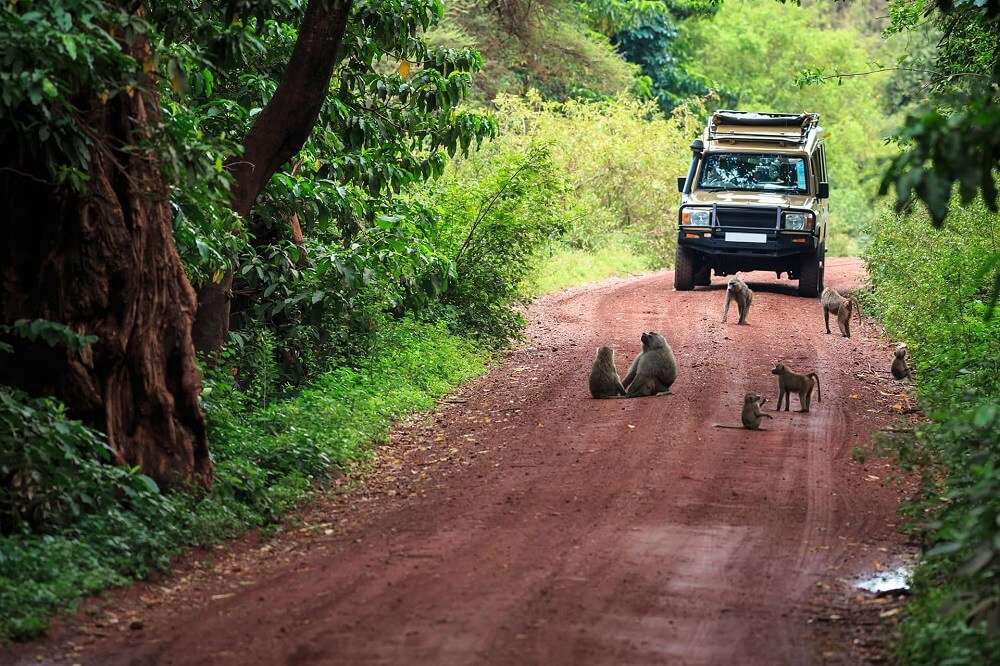
The park is world-famous for its tree-climbing lions, large elephant herds, and rich birdlife, including flocks of flamingos and over 400 recorded bird species. Other wildlife highlights include giraffes, buffalo, zebras, wildebeest, hippos, and troops of playful baboons.

Beyond wildlife, Lake Manyara offers breathtaking scenery: sweeping Rift Valley views, the sparkling lake that changes with the seasons, and cultural encounters in the nearby village of Mto wa Mbu.

Activities in Lake Manyara

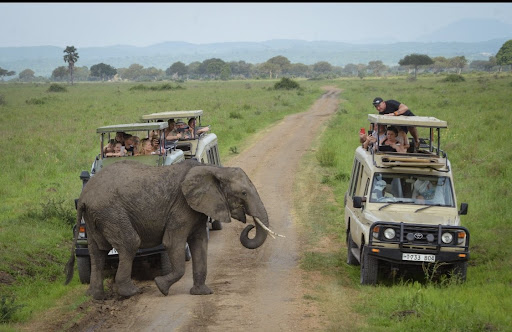
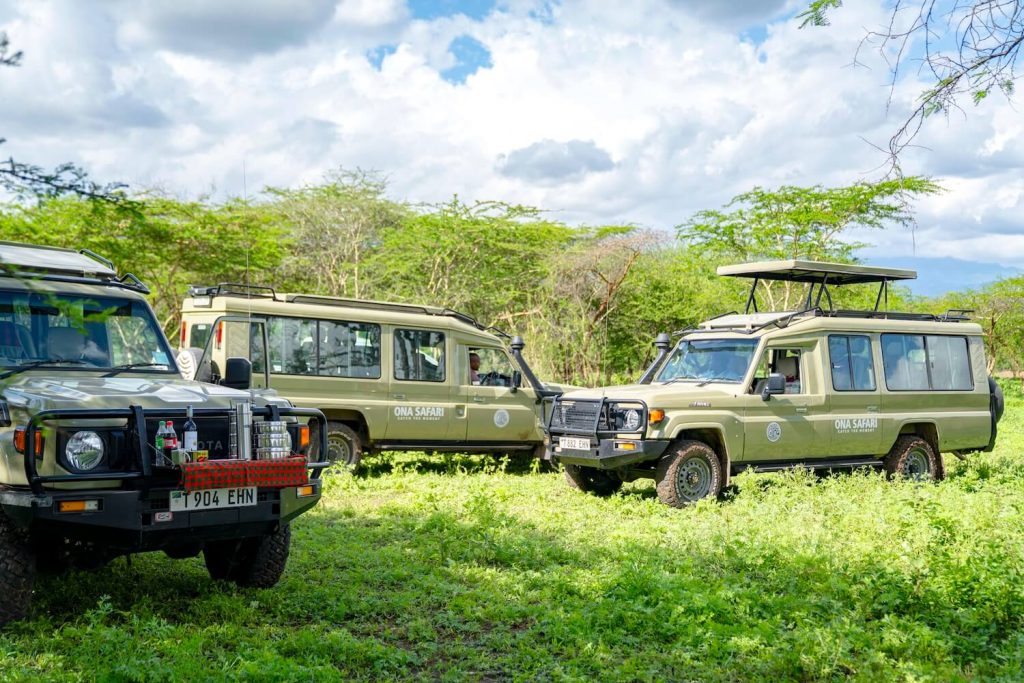
  • Game Drives: Explore the park’s forests, open plains, and lakeshore.
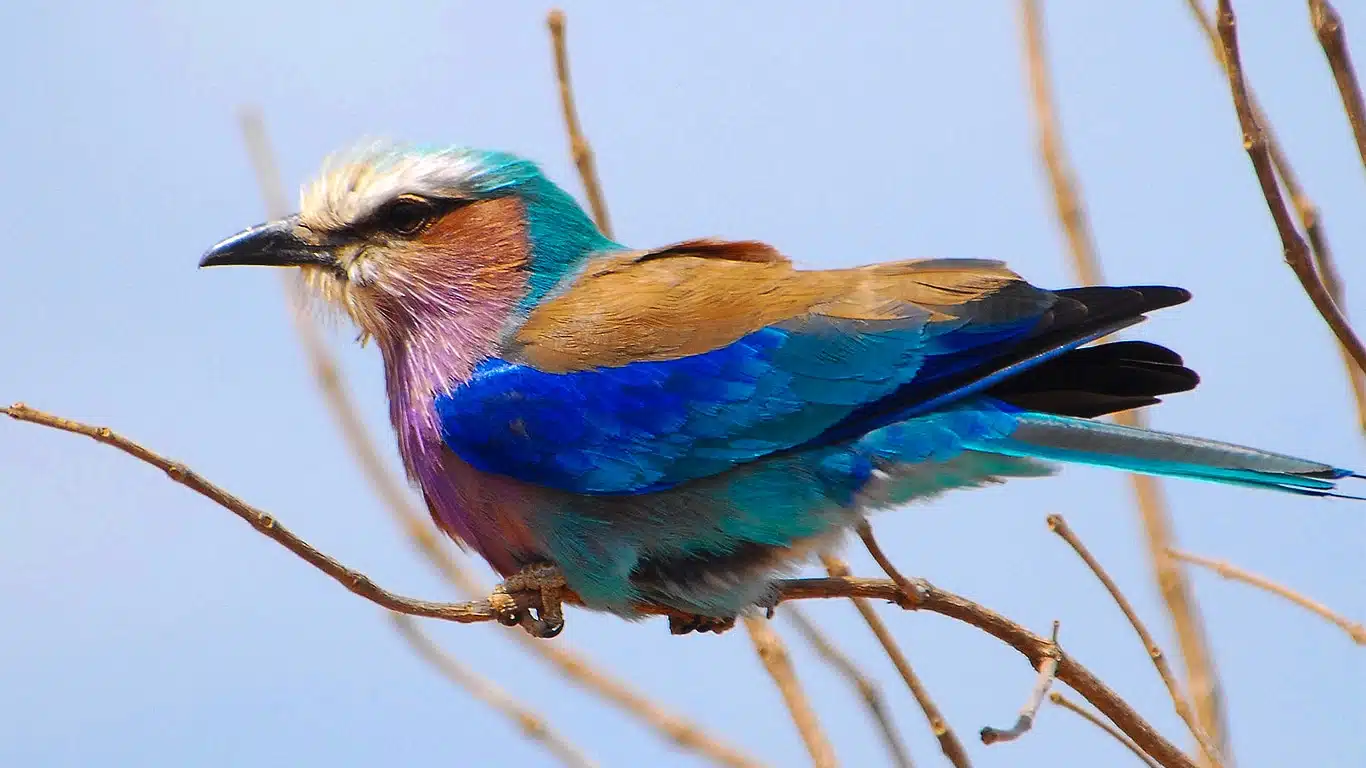
  • Birdwatching: Paradise for ornithologists, especially during the wet season.
  • Canoeing (Seasonal): Available when water levels are high.
  • Walking Safaris: Some areas allow guided walking safaris along the Rift Valley escarpment.
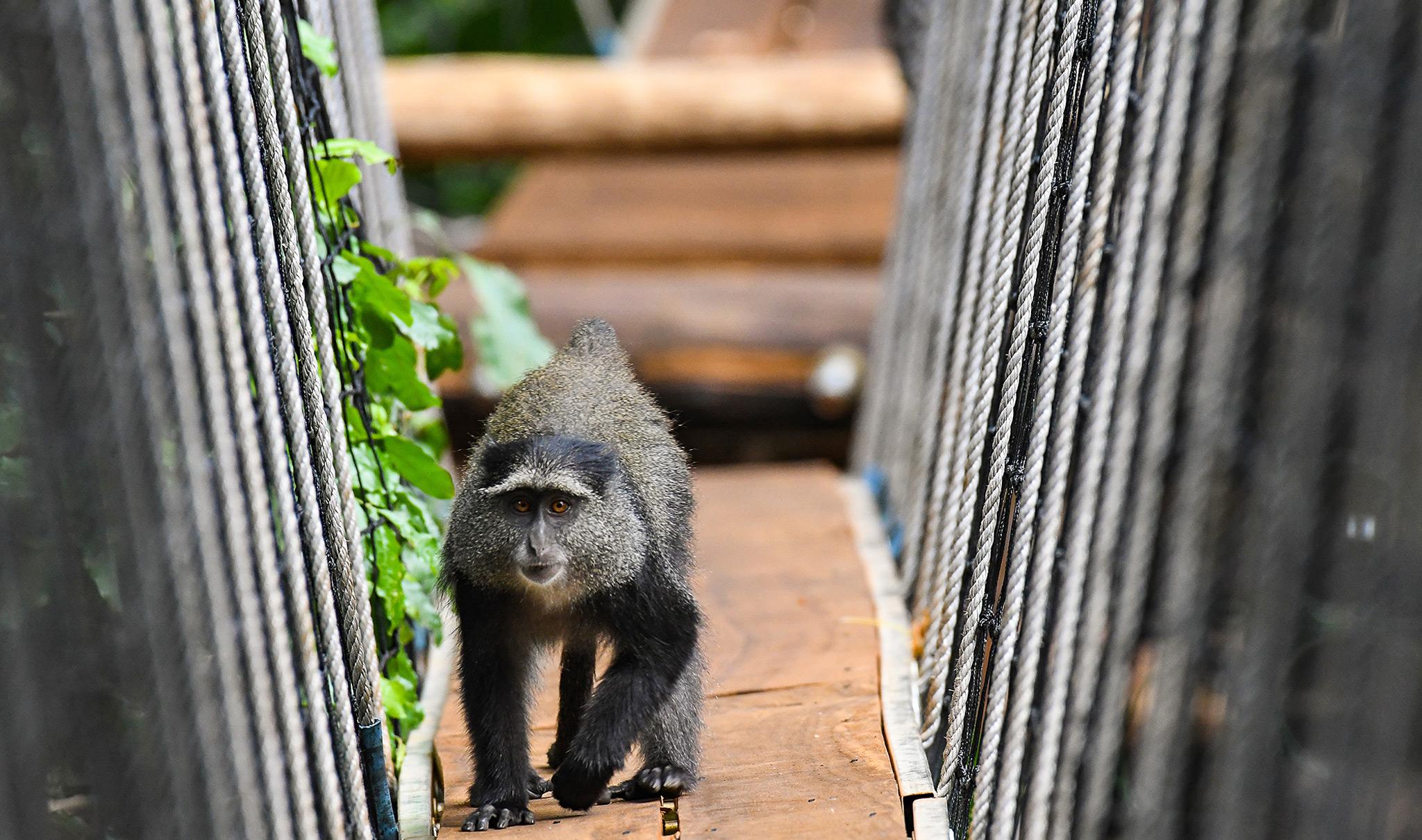
  • Treetop Walkway: A suspended canopy walkway the first of its kind in Tanzania offering a unique forest perspective.

Wildlife in Lake Manyara

  • Tree-Climbing Lions: Unique behavior rarely seen elsewhere.

  • Elephants: Large herds often found in the forests.

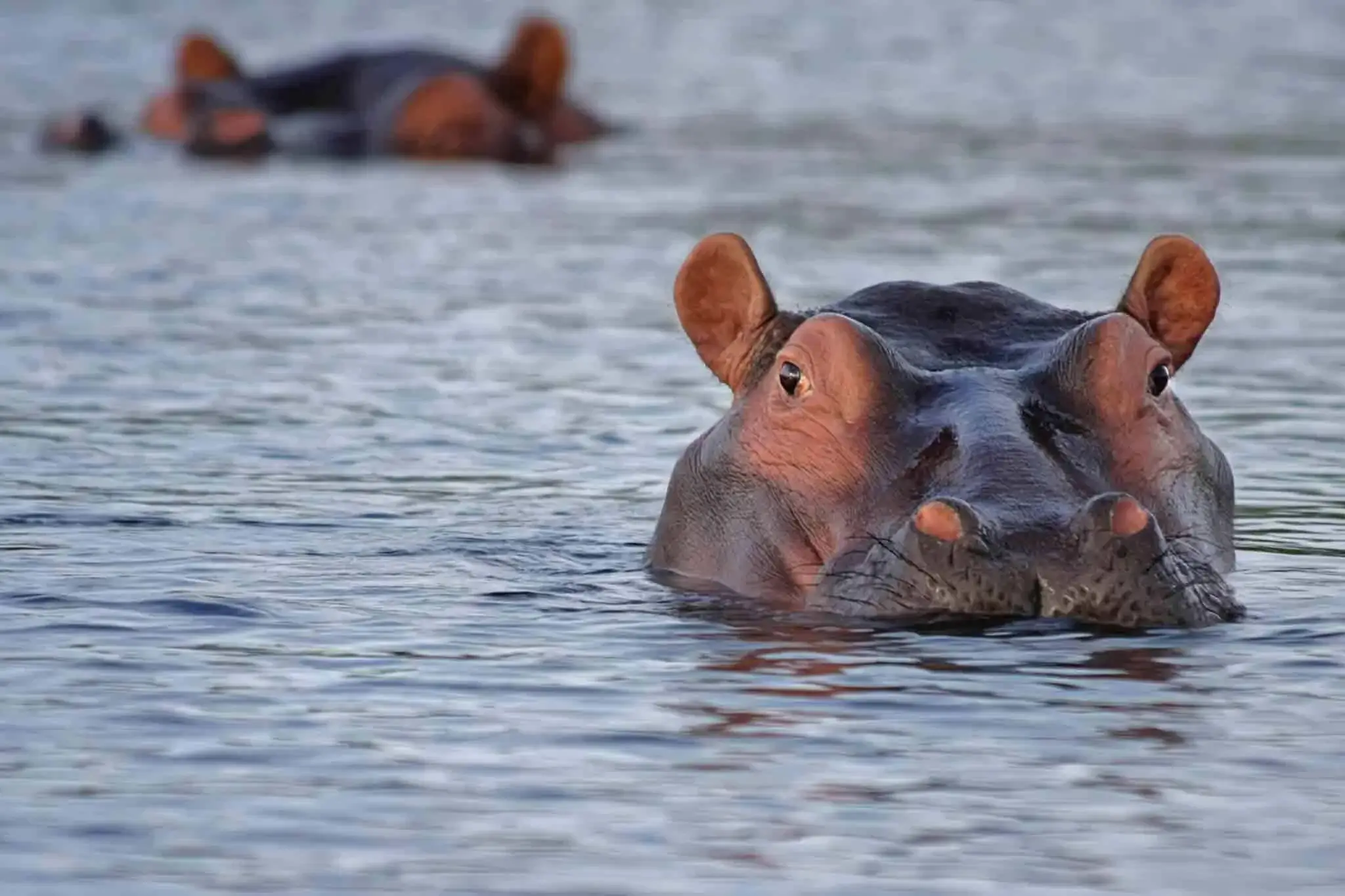
  • Hippos: Gather in the hippo pools near the lake.

  • Birdlife: Over 400 bird species, including flamingos, pelicans, storks, and crowned eagles.

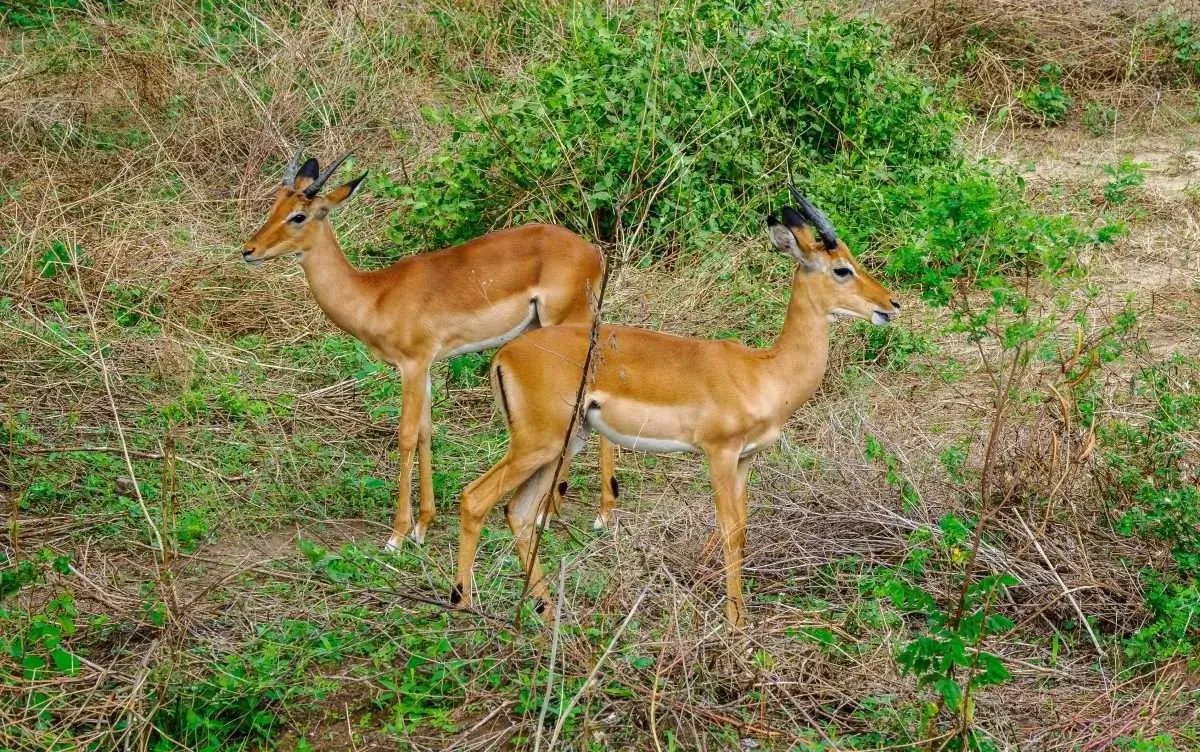
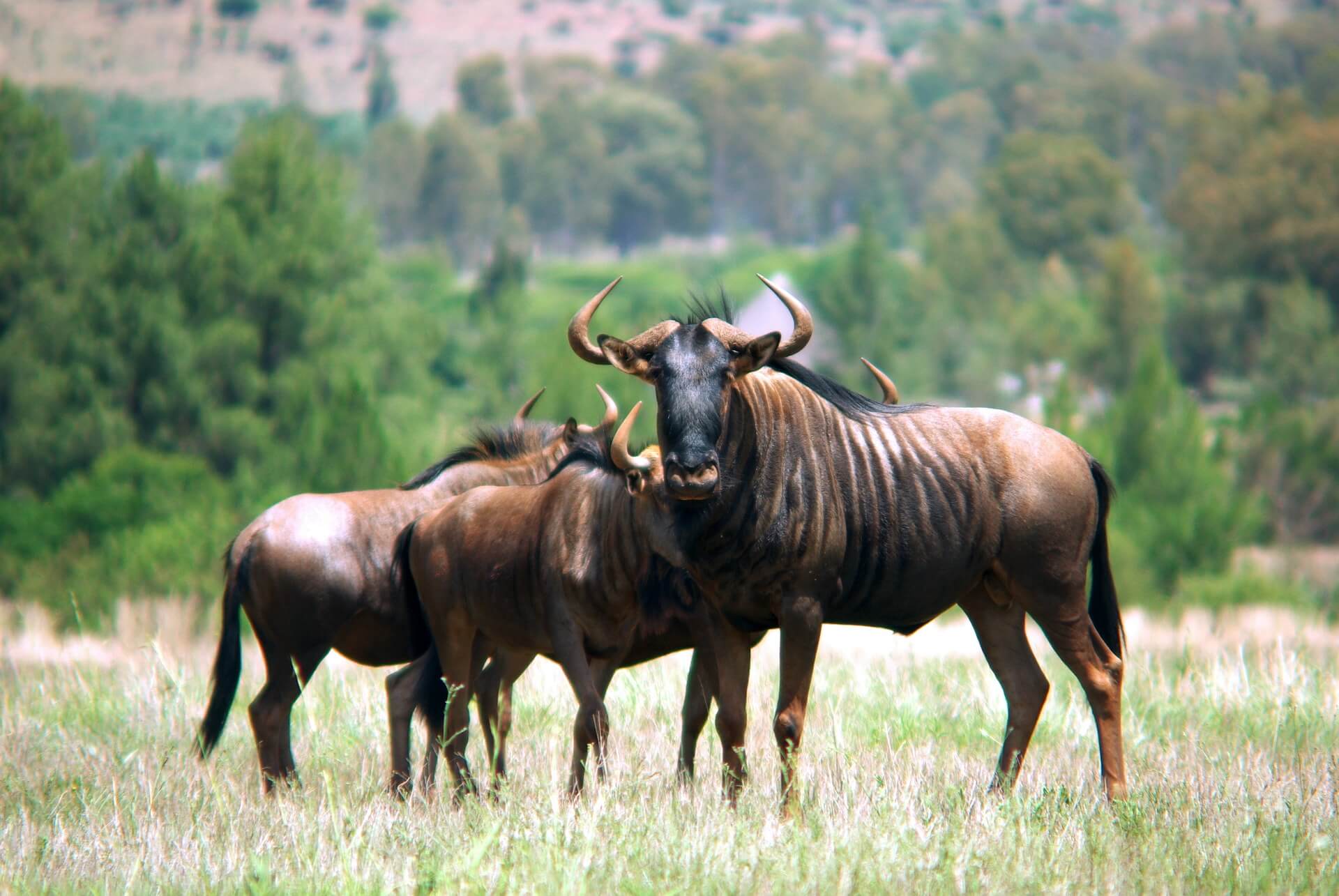
  • Other Wildlife: Buffalo, giraffes, baboons (huge troops), wildebeest, zebras, and impalas.

  •  

Highlights of Lake Manyara National Park

  • Famous tree-climbing lions.

  • Large flocks of flamingos painting the lake pink (seasonal).

  • Stunning Rift Valley escarpment views.

  • Treetop Canopy Walkway – unique safari perspective.

  • Rich diversity packed into a small, easy-to-explore park.

Travel Tips for Lake Manyara

  • Duration: 1–2 days is usually enough to explore the park.

  • Best Combined With: Ngorongoro Crater, Tarangire, or Serengeti.

  • Crowds: Can be busier than Tarangire due to its location on the safari circuit, especially in peak season.

  • Wildlife Seasons: Flamingos are seasonal, so sightings are not guaranteed.

[ FAQ ]

Common Questions

Where is Serengeti National Park located?

Serengeti National Park is located in northern Tanzania, forming part of a vast ecosystem that extends into Kenya’s Maasai Mara.

The park is best known for the Great Wildebeest Migration, where millions of wildebeest, zebras, and gazelles move in search of fresh grazing.
You can see the Big Five (lion, leopard, elephant, buffalo, and rhino), along with cheetahs, giraffes, hyenas, and a wide variety of bird species.
You can reach the park by road from Arusha or by domestic flights to various airstrips within the park.
A stay of 3 to 5 days is recommended to fully experience the park and increase your chances of seeing diverse wildlife.
Yes, it is suitable for families, though some lodges may have age restrictions for safety reasons.

Yes, game drives are safe when conducted by professional guides who follow park regulations and wildlife safety guidelines.

Yes, the migration is a continuous cycle, but its location changes throughout the year within the Serengeti ecosystem.

Absolutely. Many travelers combine it with Ngorongoro Crater, Tarangire National Park, or a beach holiday in Zanzibar.

Quick Links

Interested?

Get all the trip details & itinerary delivered straight to your inbox!

Proven Journeys. Trusted Expertise.

Our safari destinations are carefully selected through real on-the-ground experience and guided by deep local expertise, ensuring every journey delivers authentic wildlife encounters, seamless logistics, and truly memorable moments across Tanzania.

Receive expert guidance from our Tanzania safari specialists