Northern Tanzania
Destination
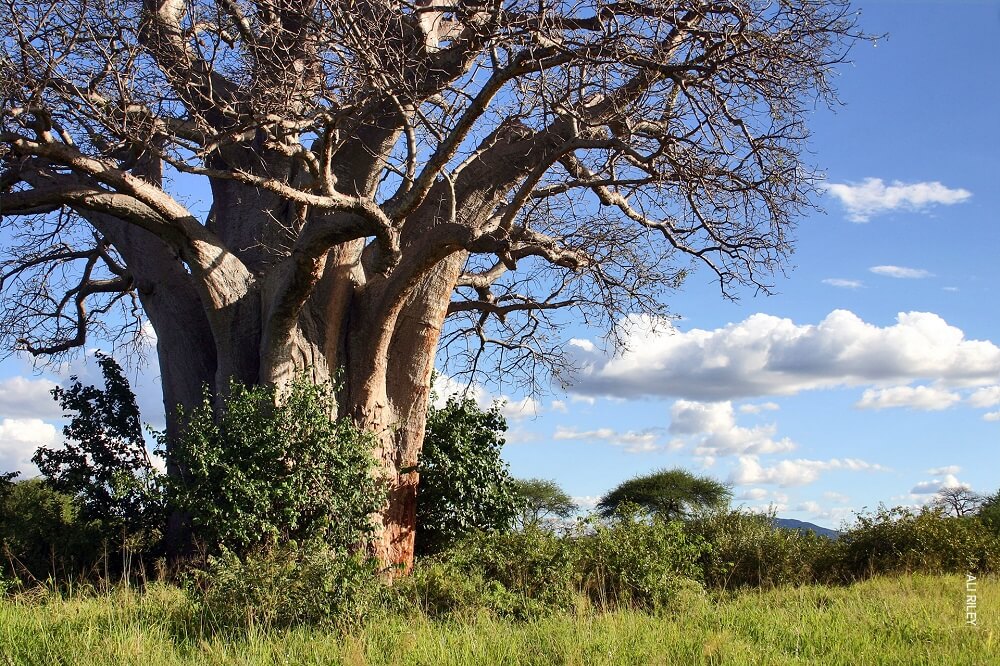
Tarangire National Park is one of Tanzania’s most underrated safari gems. Located just two hours south of Arusha, it covers 2,850 square kilometers of diverse landscapes ranging from rolling savannahs to swamps, rivers, and iconic giant baobab trees.
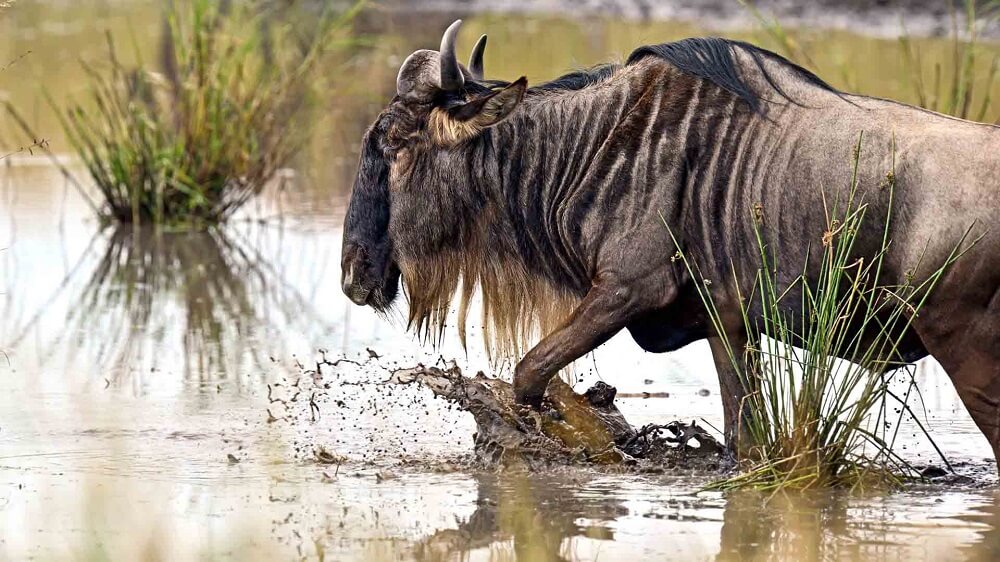
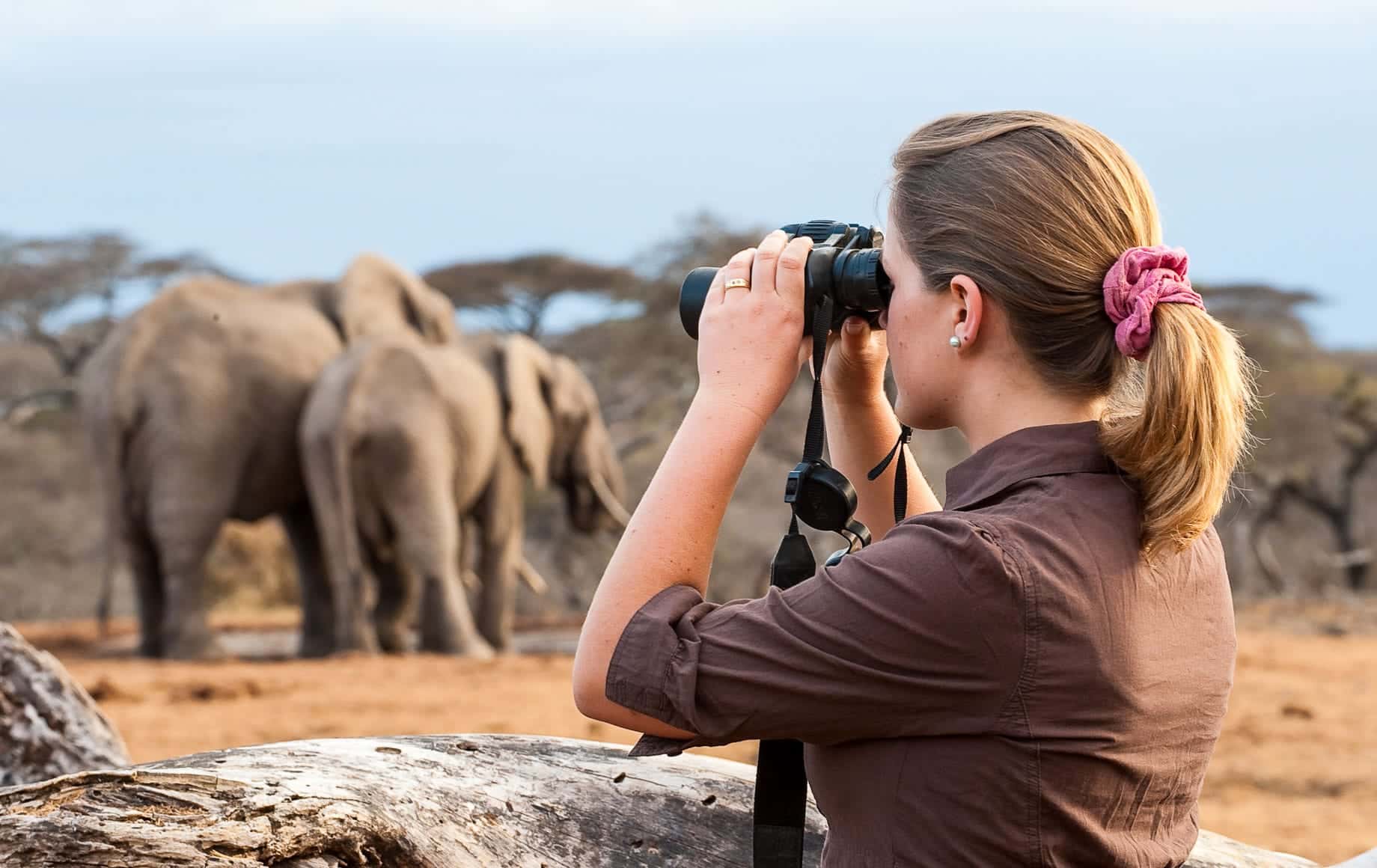
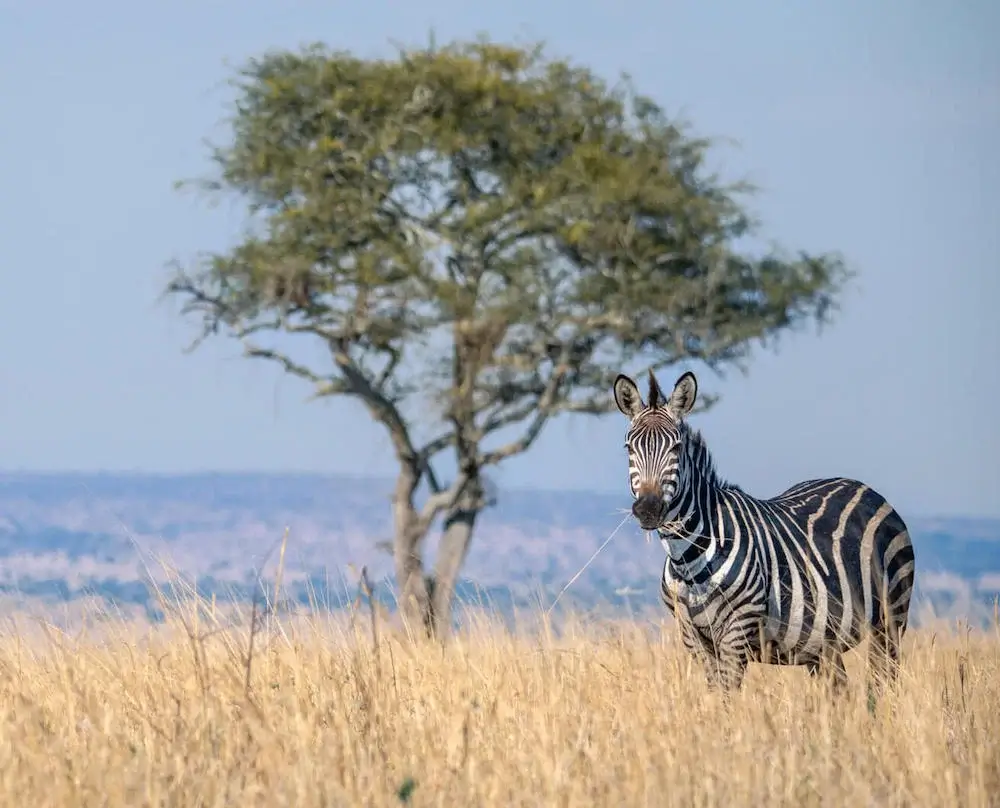
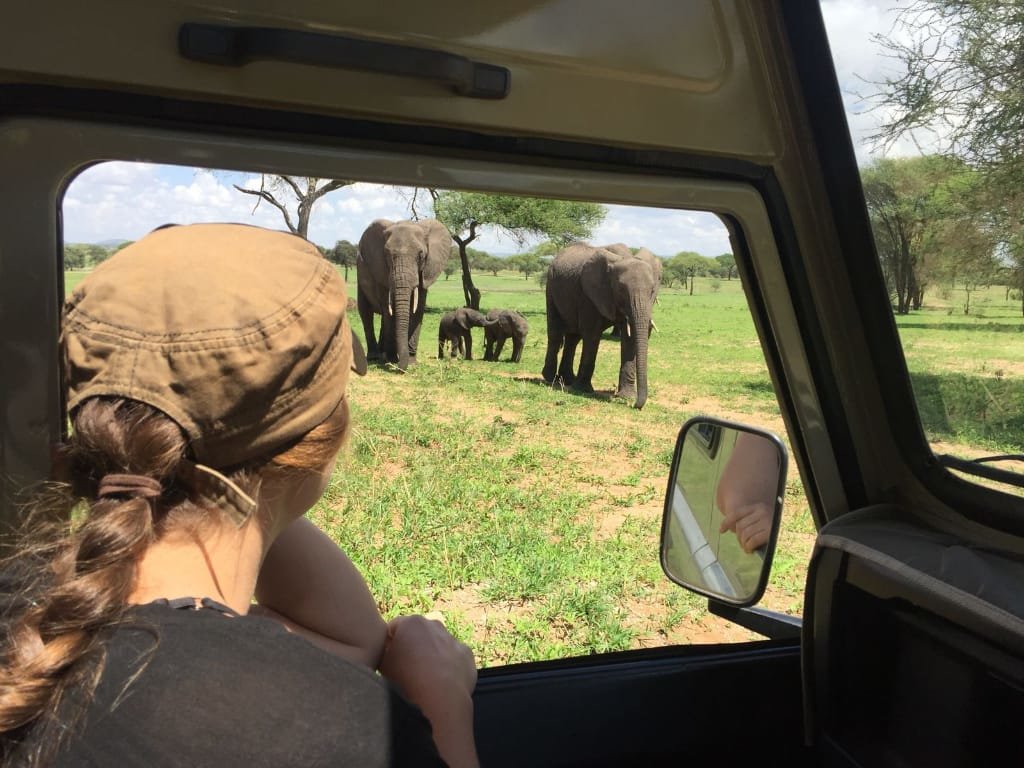
The park is especially famous for its large elephant population sometimes herds of up to 300 individuals and the seasonal migration of thousands of wildebeest, zebras, buffalo, and gazelles. During the dry season (June–October), Tarangire becomes a wildlife haven as animals gather around the Tarangire River, the park’s only permanent water source.

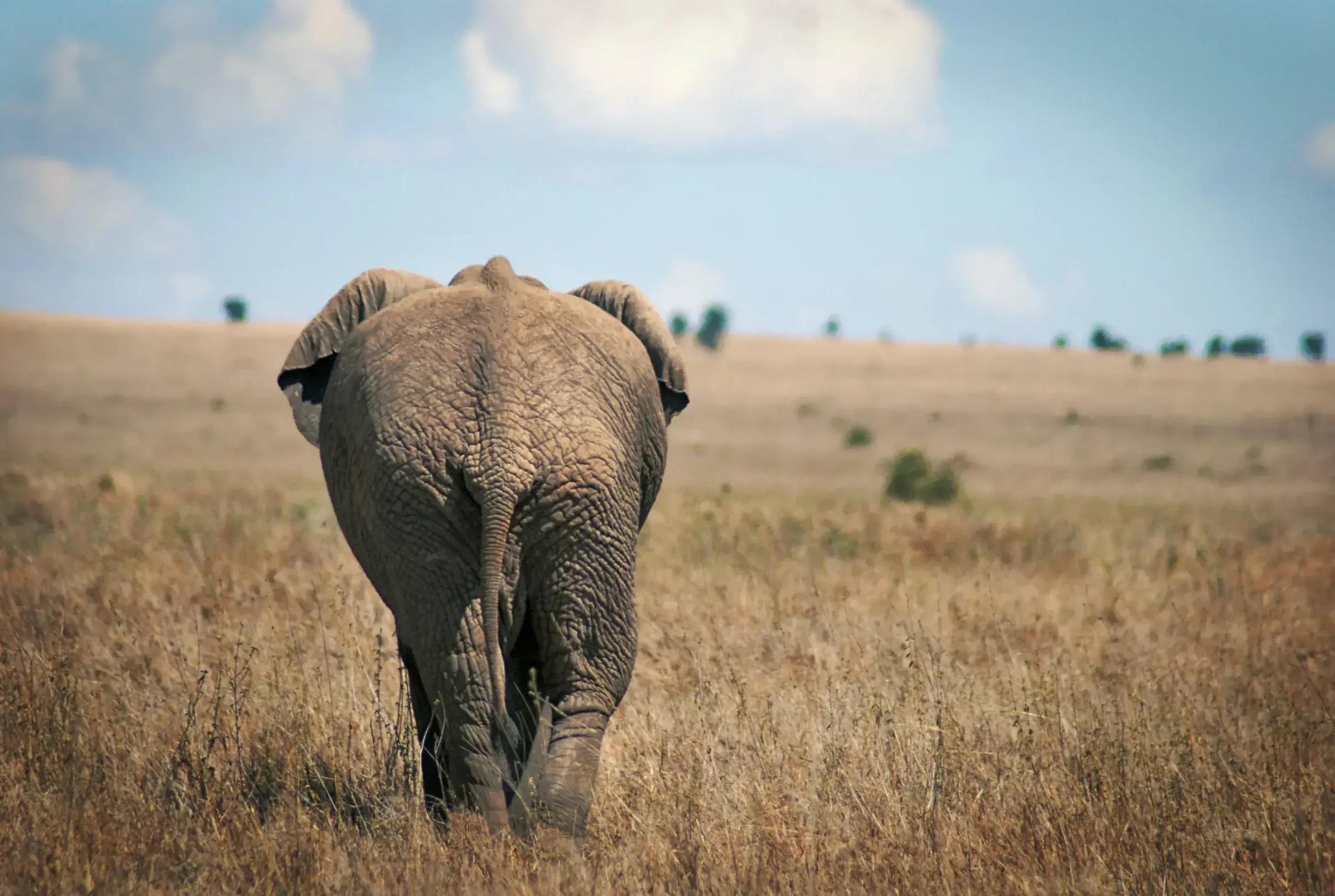
Elephants: Home to Tanzania’s largest elephant herds.
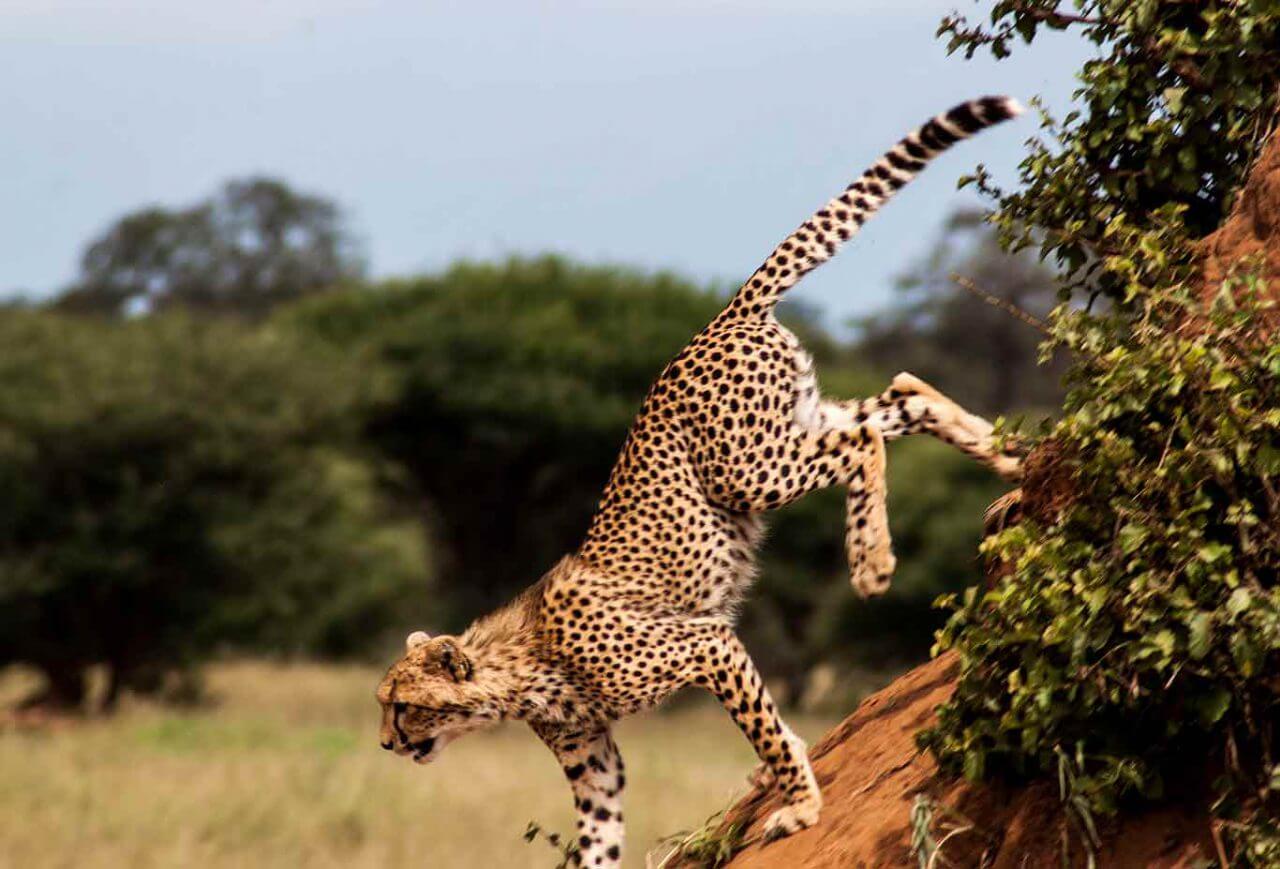
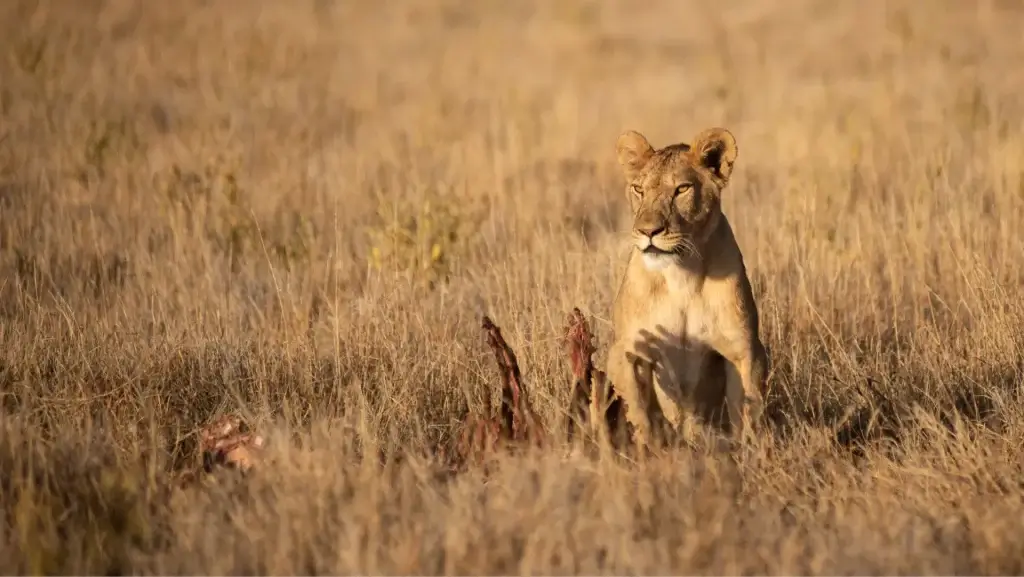
Big Cats: Lions and leopards are common; cheetahs occasionally spotted.
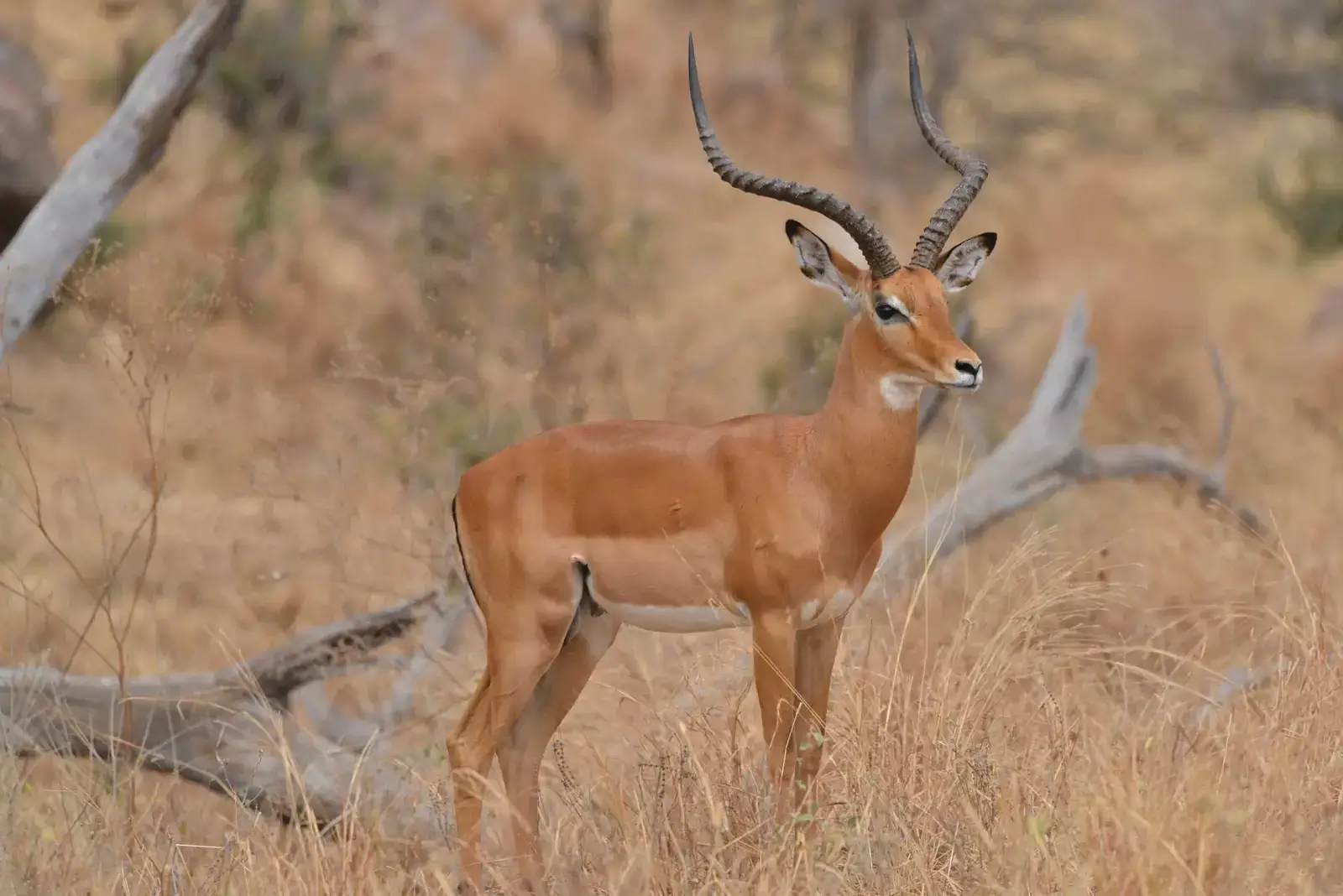
Unique Species: Lesser kudu, oryx, and gerenuk not often seen in other parks.
Birdlife: Over 550 bird species, including hornbills, lilac-breasted rollers, and yellow-collared lovebirds making Tarangire a birdwatcher’s paradise.
Other Wildlife: Buffalo, giraffes, warthogs, baboons, wildebeest, zebras, and even pythons (sometimes found in the baobabs).
The Serengeti offers year-round game viewing, but the experience changes with the migration cycle:
December – March (Southern Serengeti & Ndutu): Calving season. Thousands of wildebeest give birth, attracting predators.
April – May (Central Serengeti): Herds move north through Moru Kopjes; fewer tourists, lush scenery.
June – July (Western Corridor): Dramatic Grumeti River crossings with crocodiles waiting below.
August – October (Northern Serengeti): Famous Mara River crossings into Kenya’s Masai Mara.
November: Short rains, herds begin migrating south again.
Dry Season (June – October): Best for game viewing as animals concentrate around the river.
Green Season (November – May): Lush landscapes, fewer crowds, excellent for birding, but some wildlife disperses outside the park.
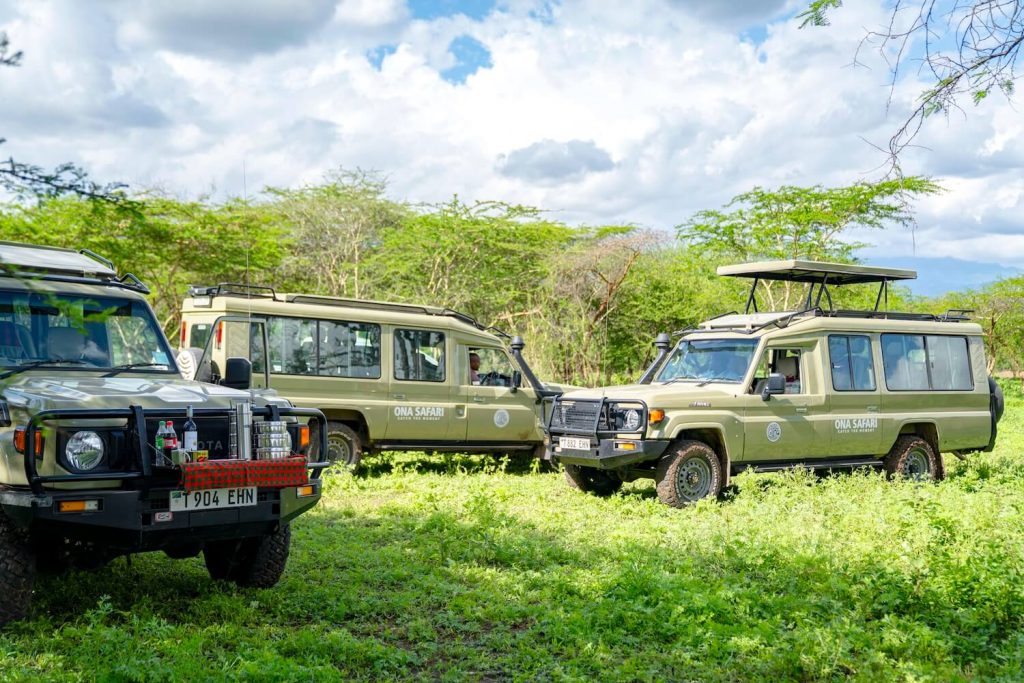
Game Drives: Classic morning and afternoon drives with opportunities to see elephants and predators.
Night Safaris: Unique in Tarangire (not allowed in most Tanzanian parks) — chance to see nocturnal species like genets, bushbabies, and lions hunting.
Walking Safaris: Explore the savannah and riverbanks on foot with a ranger.
Bird Watching: Spot rare and colorful species year-round.
Cultural Visits: Meet the Maasai or Barabaig tribes in nearby villages.
See massive elephant herds up close.
Iconic baobab landscapes excellent for photography.
Birdwatching paradise with over 550 species.
One of the few parks in Tanzania that allows night safaris.
Great complement to Serengeti and Ngorongoro for a diverse safari.
Duration: Spend at least 2 days to fully appreciate the park’s wildlife and landscapes.
Crowds: Less crowded than Serengeti and Ngorongoro, offering a more intimate safari experience.
Malaria Precautions: The park has more tsetse flies than others wear neutral-colored clothing and use repellent.
Combine: Ideal to visit alongside Lake Manyara, Ngorongoro, and Serengeti.
Serengeti National Park is located in northern Tanzania, forming part of a vast ecosystem that extends into Kenya’s Maasai Mara.
Yes, game drives are safe when conducted by professional guides who follow park regulations and wildlife safety guidelines.
Absolutely. Many travelers combine it with Ngorongoro Crater, Tarangire National Park, or a beach holiday in Zanzibar.
Our safari destinations are carefully selected through real on-the-ground experience and guided by deep local expertise, ensuring every journey delivers authentic wildlife encounters, seamless logistics, and truly memorable moments across Tanzania.
NGORONGORO CRATER
TARANGIRE NATIONAL PARK
MIKUMI & UDZUNGWA