
Ruaha National Park

Northern Tanzania

Destination

  1. Home
  2. Ruaha National Park

Overview

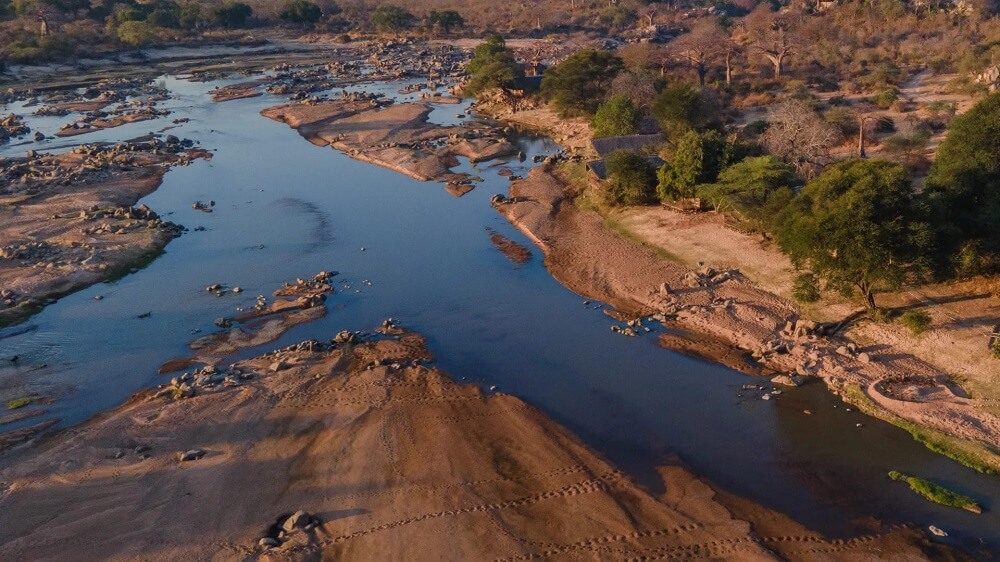
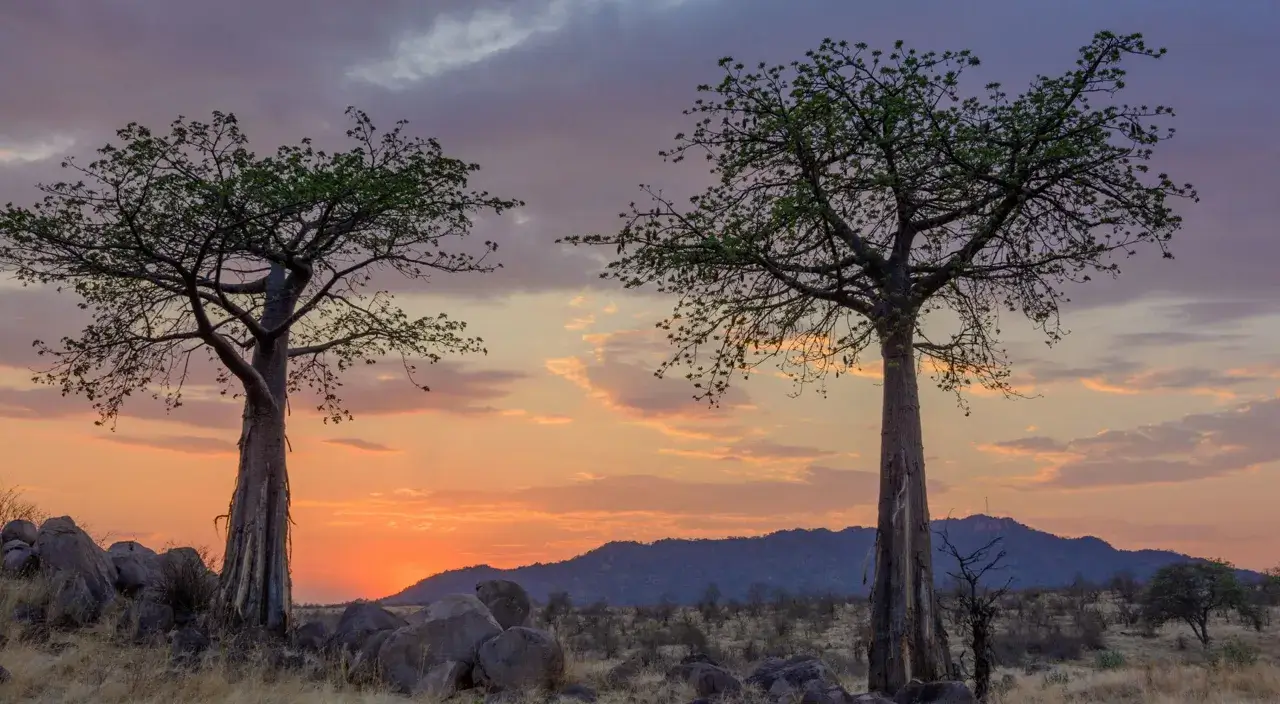
Ruaha National Park is Tanzania’s largest national park, covering more than 20,000 km². Located in the country’s rugged south-central region, Ruaha is named after the Great Ruaha River, which flows through the park and sustains an extraordinary abundance of wildlife. Unlike the famous northern parks, Ruaha is less visited, offering a truly wild and authentic safari experience. It’s a land of baobab-studded plains, dramatic escarpments, seasonal rivers, and wide open savannahs teeming with predators and elephants.

Why Ruaha is a Great Safari Destination

Authenticity: Offers a raw, wild safari away from the crowds of northern Tanzania.

  1. Biodiversity: Combines East African and Southern African ecosystems, so you’ll see a wide range of species not found together elsewhere.

  2. Predators & Elephants: Top destination to witness lion prides, wild dogs, and massive elephant herds.

  3. Scenic Beauty: Dramatic, varied landscapes ideal for photographers.

  4. Exclusivity: Small, intimate camps and lodges give you a private safari feel.

  5. Adventure Activities: Walking safaris and night drives bring you closer to nature than a vehicle alone.
Who is it Best For?

  • Safari enthusiasts who have already done the Northern Circuit and want something different.
  • Photographers and birdwatchers seeking diverse landscapes and species.
  • Couples and honeymooners looking for exclusivity and privacy.
  • Adventurous travelers who want a more “untamed” safari.

What Makes Ruaha National Park Unique

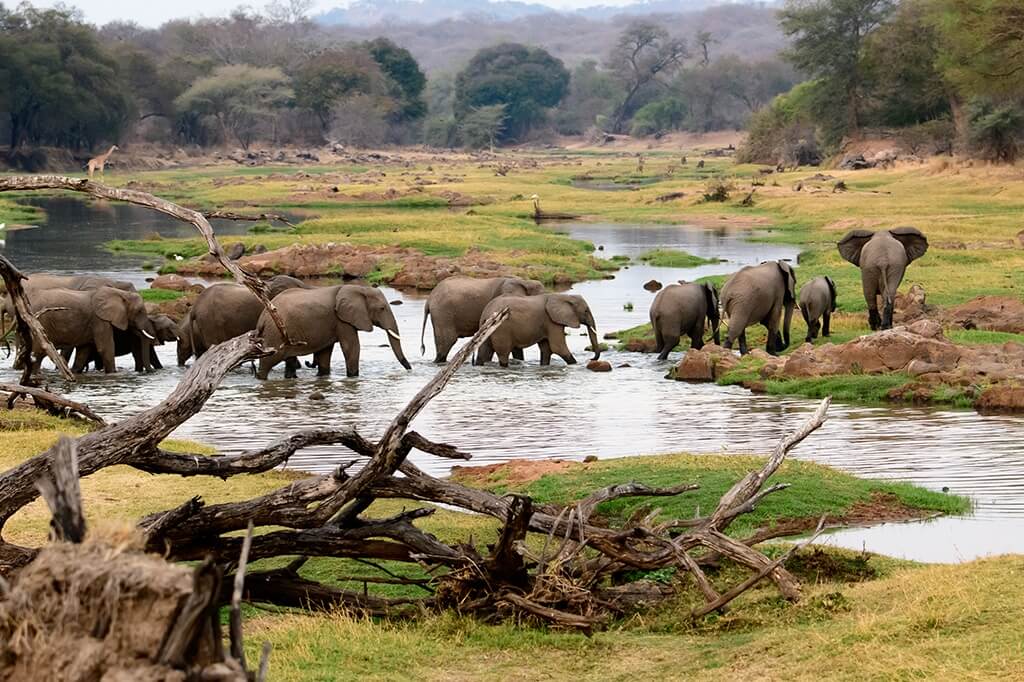
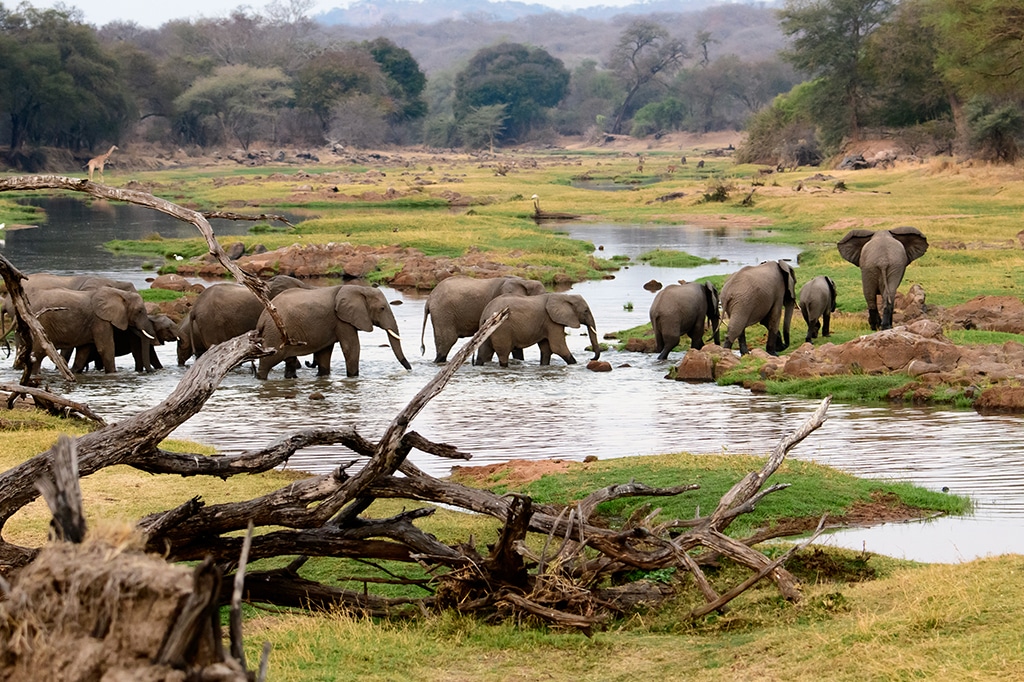
  • The Elephant Capital of Tanzania: Ruaha has the largest population of elephants in the country. Herds of 100+ individuals are not uncommon, creating incredible sightings you won’t find elsewhere.
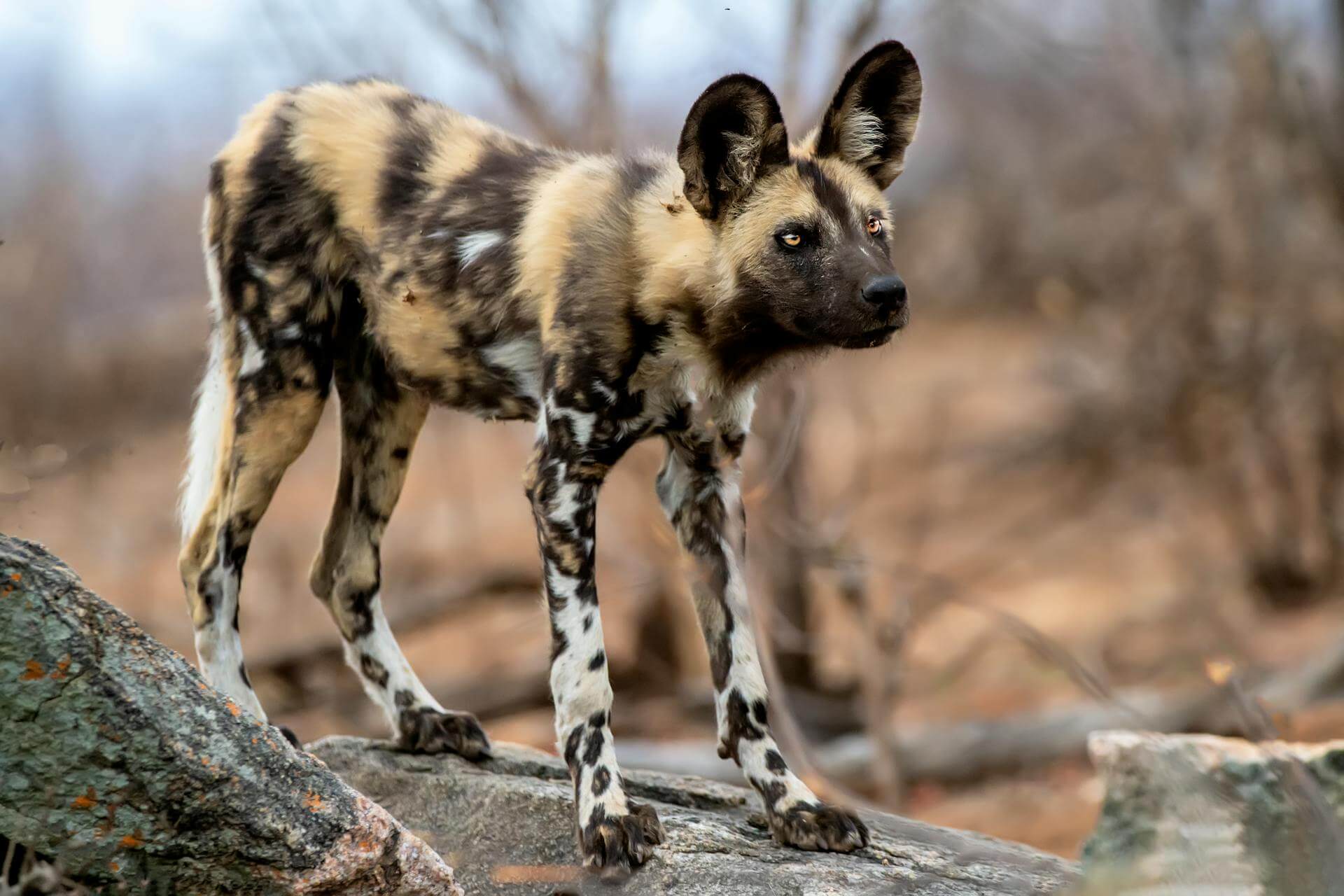
  • Predator Paradise: Ruaha is home to one of Africa’s largest lion populations (prides of 20+ lions).It’s also one of the best places to spot African wild dogs, a rare and endangered predator.
All you need to know about Ruaha national park

Safari Highlights

  • Largest elephant population in Tanzania herds of 100+ elephants are often seen.
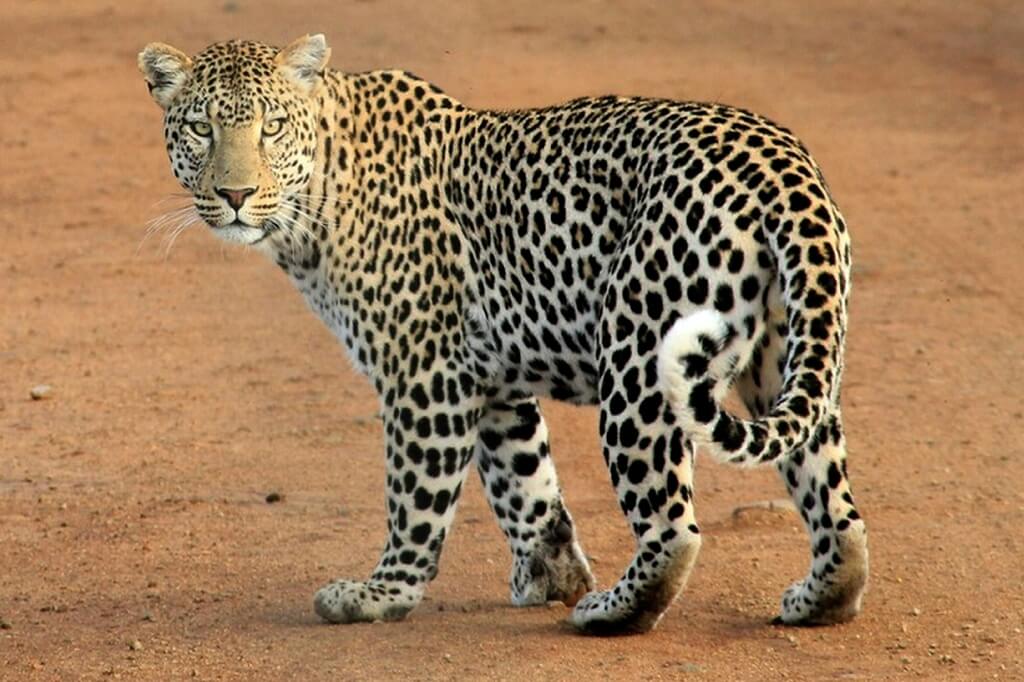
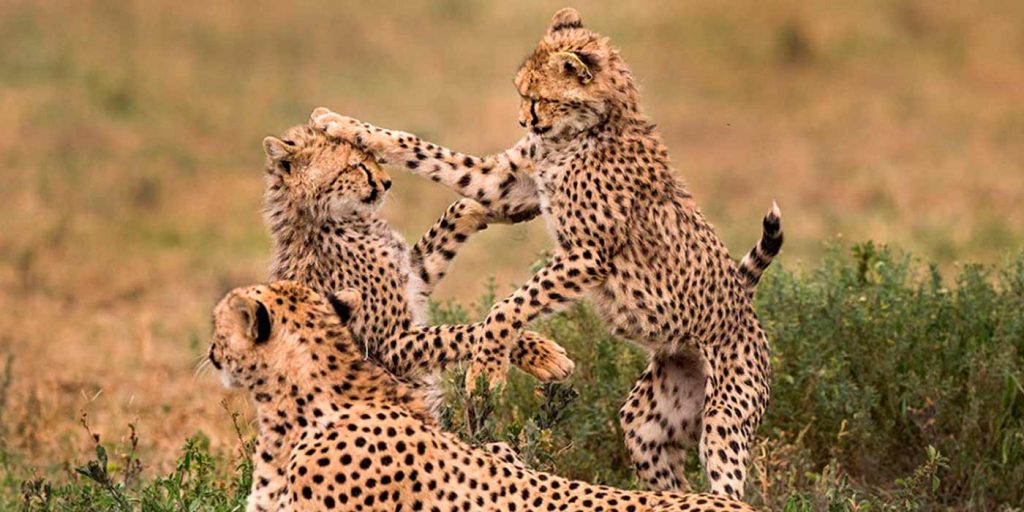
  • Predator capital of Southern Tanzania home to one of the highest concentrations of lions in Africa, plus leopards, cheetahs, and endangered African wild dogs.
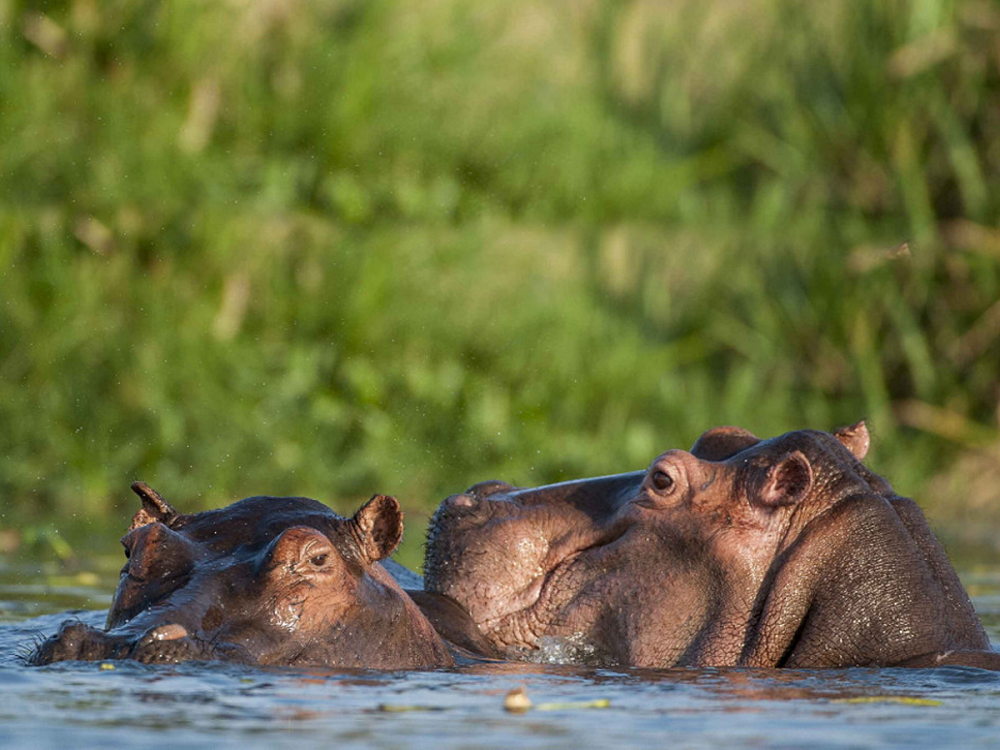
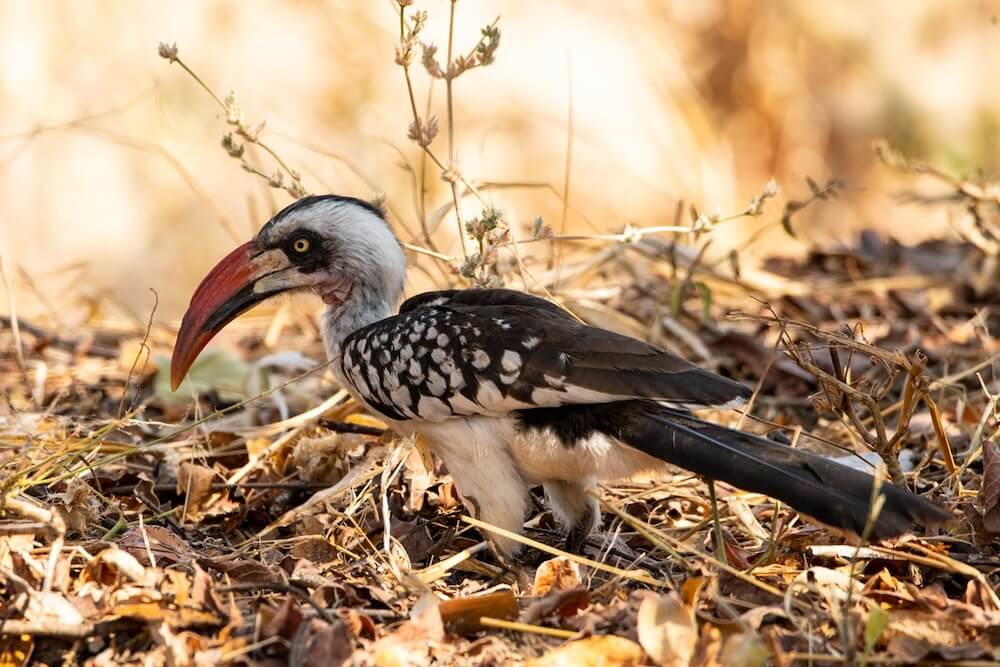
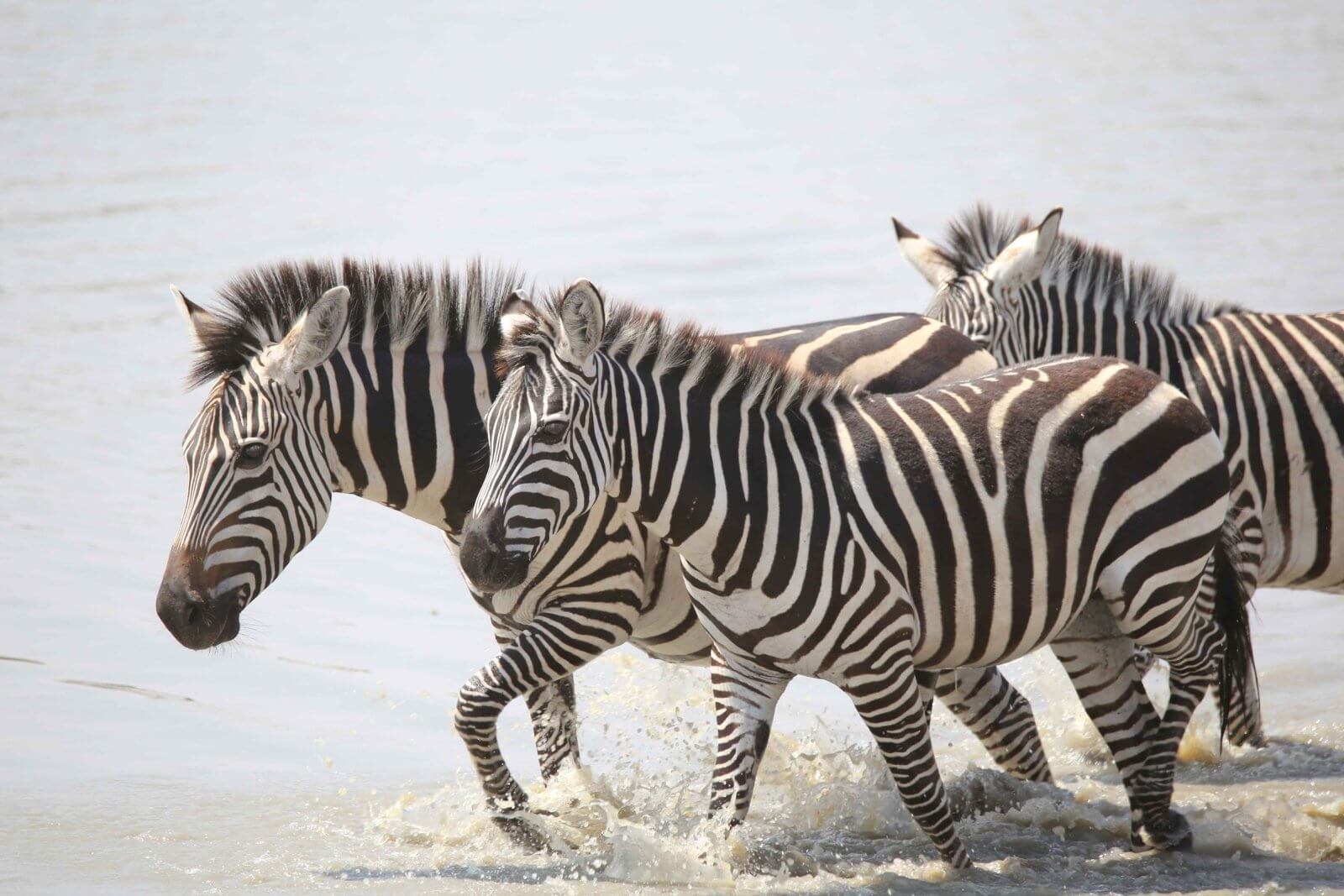
  • Diverse wildlife over 570 bird species, antelopes (kudu, sable, roan, hartebeest), giraffes, zebras, and hippos.
  • Unique landscapes rolling hills, great baobab forests, rocky outcrops, and the life-giving Ruaha River.
  • Exclusive safari feel far fewer visitors compared to Serengeti or Ngorongoro, meaning game drives without crowds.
  • Walking safaris & night drives (in some areas/camps) for a more intimate wilderness encounter.

What to Pack

  • Lightweight clothing in neutral colors (khaki, beige, olive).
  • Warm layers for cool mornings and evenings.
  • Sun protection – hat, sunglasses, high-SPF sunscreen.
  • Binoculars – essential for birdwatching and spotting predators.
  • Camera with zoom lens for wildlife photography.
  • Comfortable walking shoes (for bush walks).
  • Insect repellent (especially in green season).
  • Reusable water bottle for hydration. Duration: 1–2 days is usually enough to explore the park. Best Combined With: Ngorongoro Crater, Tarangire, or Serengeti.
  • Crowds: Can be busier than Tarangire due to its location on the safari circuit, especially in peak season.

  • Wildlife Seasons: Flamingos are seasonal, so sightings are not guaranteed.

Best Time to Visit

  • Dry Season (June – October):

Best time for game viewing. Animals congregate along the Great Ruaha River and other water sources. Clear skies and comfortable temperatures.

  • Green Season (November – April):

Lush landscapes, great for photography. Excellent birdwatching, with migratory species present. Fewer tourists and lower lodge rates.

  • Avoid April – May (long rains): Some camps close and roads can be difficult.

Why Ruaha is a Great Safari Destination

  • Authenticity: Offers a raw, wild safari away from the crowds of northern Tanzania.

  • Biodiversity: Combines East African and Southern African ecosystems, so you’ll see a wde range of species not found together elsewhere.

  • Predators & Elephants: Top destination to witness lion prides, wild dogs, and massive elephant herds.

  • Scenic Beauty: Dramatic, varied landscapes ideal for photographers.

  • Exclusivity: Small, intimate camps and lodges give you a private safari feel.

  • Adventure Activities: Walking safaris and night drives bring you closer to nature than a vehicle alone.

[ FAQ ]

Common Questions

Where is Serengeti National Park located?

Serengeti National Park is located in northern Tanzania, forming part of a vast ecosystem that extends into Kenya’s Maasai Mara.

The park is best known for the Great Wildebeest Migration, where millions of wildebeest, zebras, and gazelles move in search of fresh grazing.
You can see the Big Five (lion, leopard, elephant, buffalo, and rhino), along with cheetahs, giraffes, hyenas, and a wide variety of bird species.
You can reach the park by road from Arusha or by domestic flights to various airstrips within the park.
A stay of 3 to 5 days is recommended to fully experience the park and increase your chances of seeing diverse wildlife.
Yes, it is suitable for families, though some lodges may have age restrictions for safety reasons.

Yes, game drives are safe when conducted by professional guides who follow park regulations and wildlife safety guidelines.

Yes, the migration is a continuous cycle, but its location changes throughout the year within the Serengeti ecosystem.

Absolutely. Many travelers combine it with Ngorongoro Crater, Tarangire National Park, or a beach holiday in Zanzibar.

Quick Links

Interested?

Get all the trip details & itinerary delivered straight to your inbox!

Proven Journeys. Trusted Expertise.

Our safari destinations are carefully selected through real on-the-ground experience and guided by deep local expertise, ensuring every journey delivers authentic wildlife encounters, seamless logistics, and truly memorable moments across Tanzania.

Receive expert guidance from our Tanzania safari specialists