Fanjove Island – Tanzania’s Private Paradise

South-western Tanzania

Destination

  1. Home
  2. Fanjove Island

All about Rubondo island

Overview

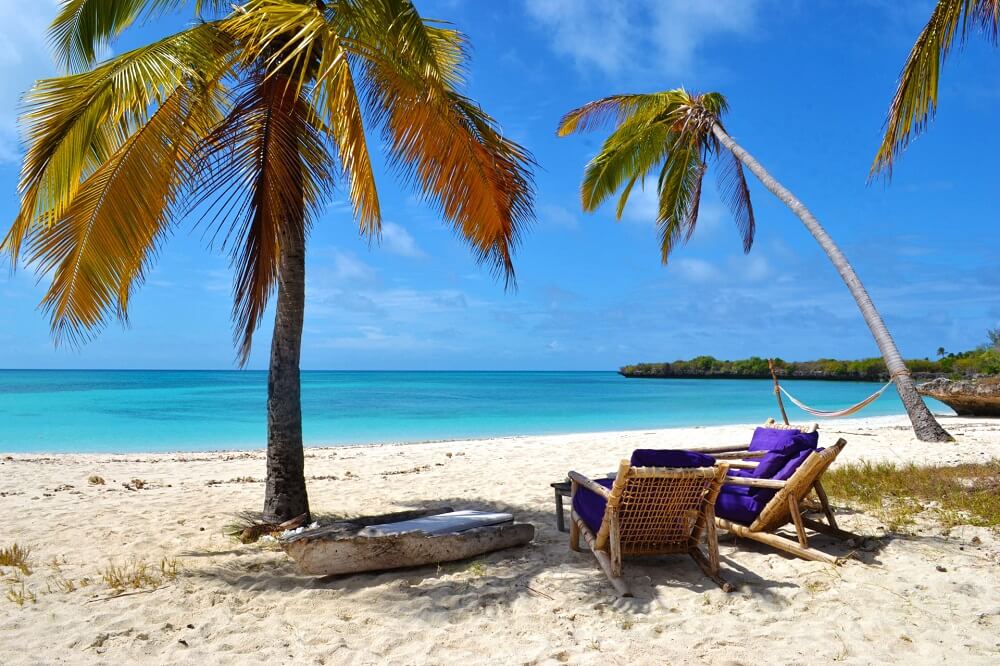
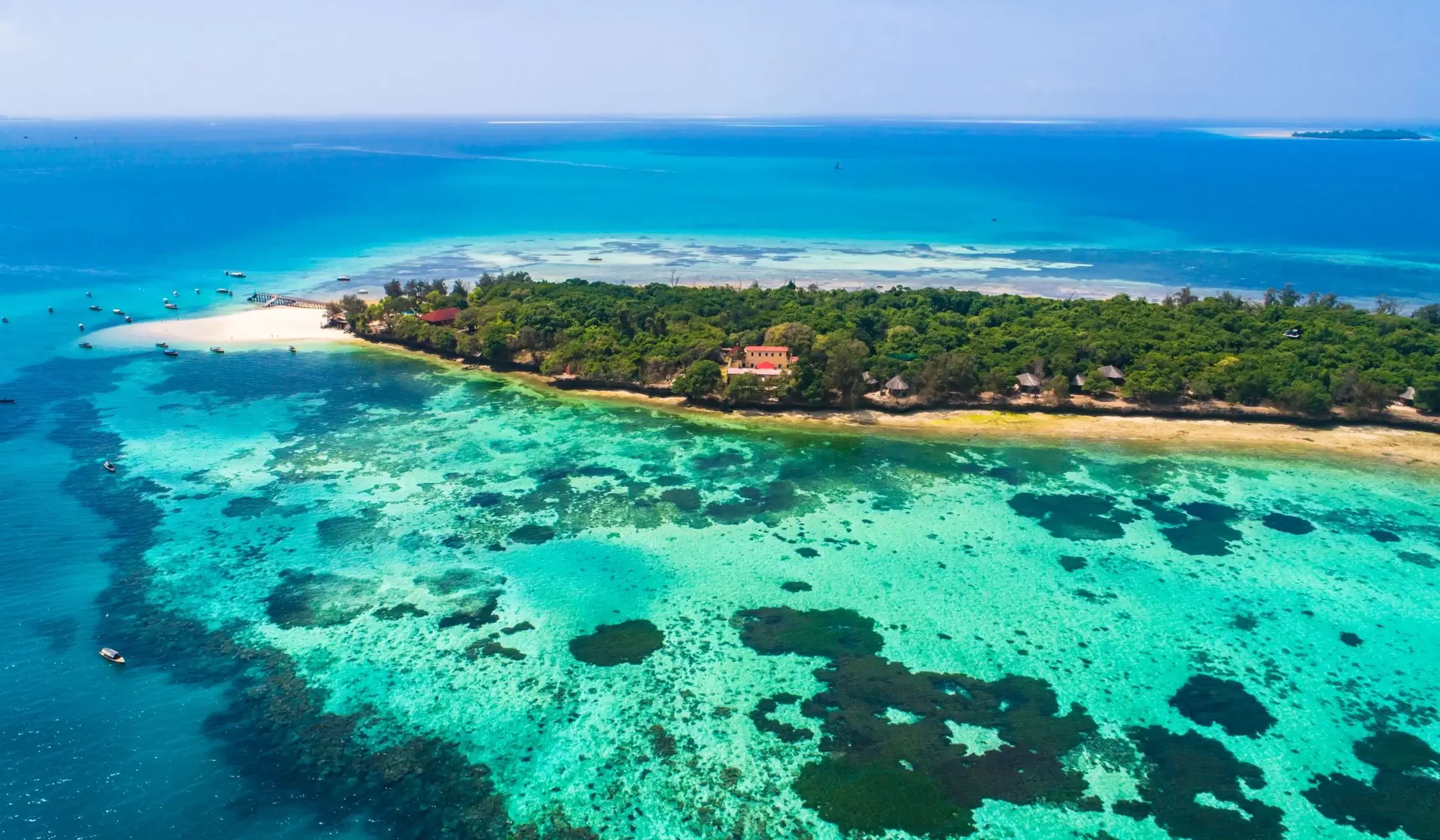
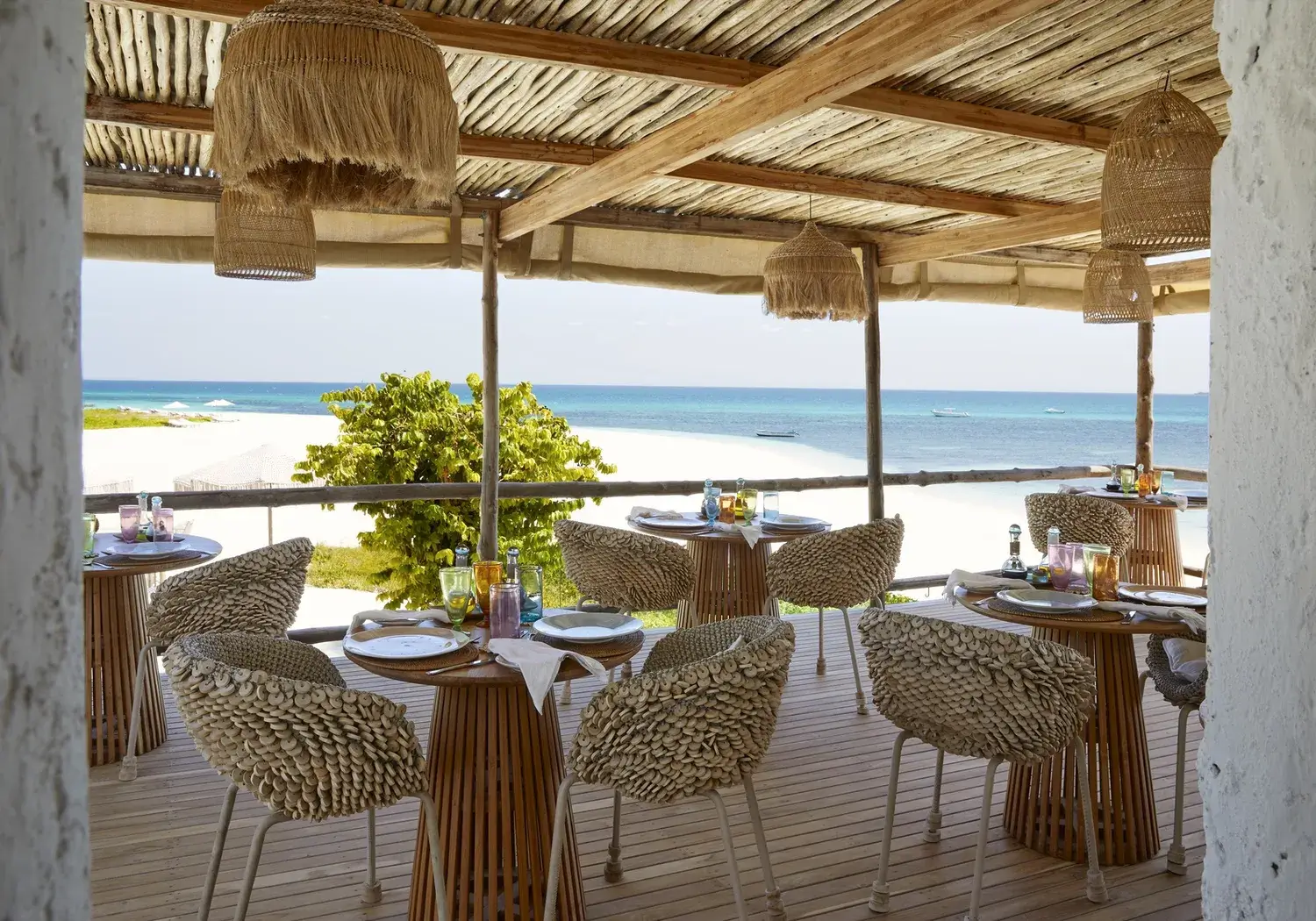
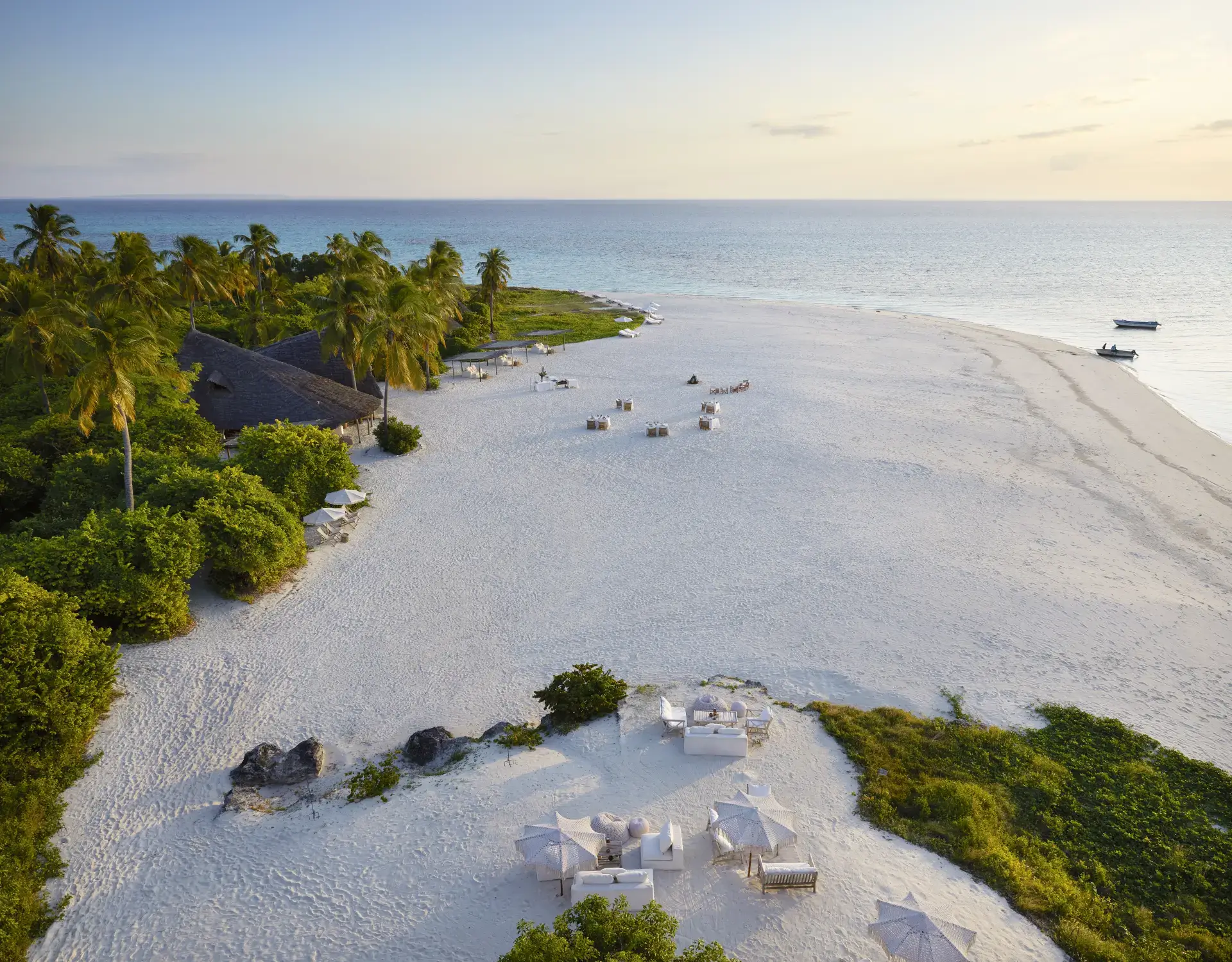
Fanjove Island is a pristine private island off the southern coast of Tanzania, part of the Songo Songo Archipelago. With just one eco-lodge and unspoiled surroundings, it offers the ultimate barefoot luxury escape. Imagine powder-white beaches, turquoise waters, swaying palms, and complete exclusivity where it feels like you have an entire island to yourself.

This untouched paradise is perfect for those seeking privacy, romance, and tranquility, while still enjoying a range of exciting activities both on land and sea.

Why Fanjove Island?

Exclusivity: only a handful of guests at a time, making it feel like your private island.

Eco-Luxury: accommodation built with sustainability in mind, blending comfort with nature.

Unspoiled Beauty: no crowds, no noise, just the sound of the ocean and bird calls.

Perfect for Romance: an ideal getaway for honeymoons or special celebrations.

Activities on Fanjove Island

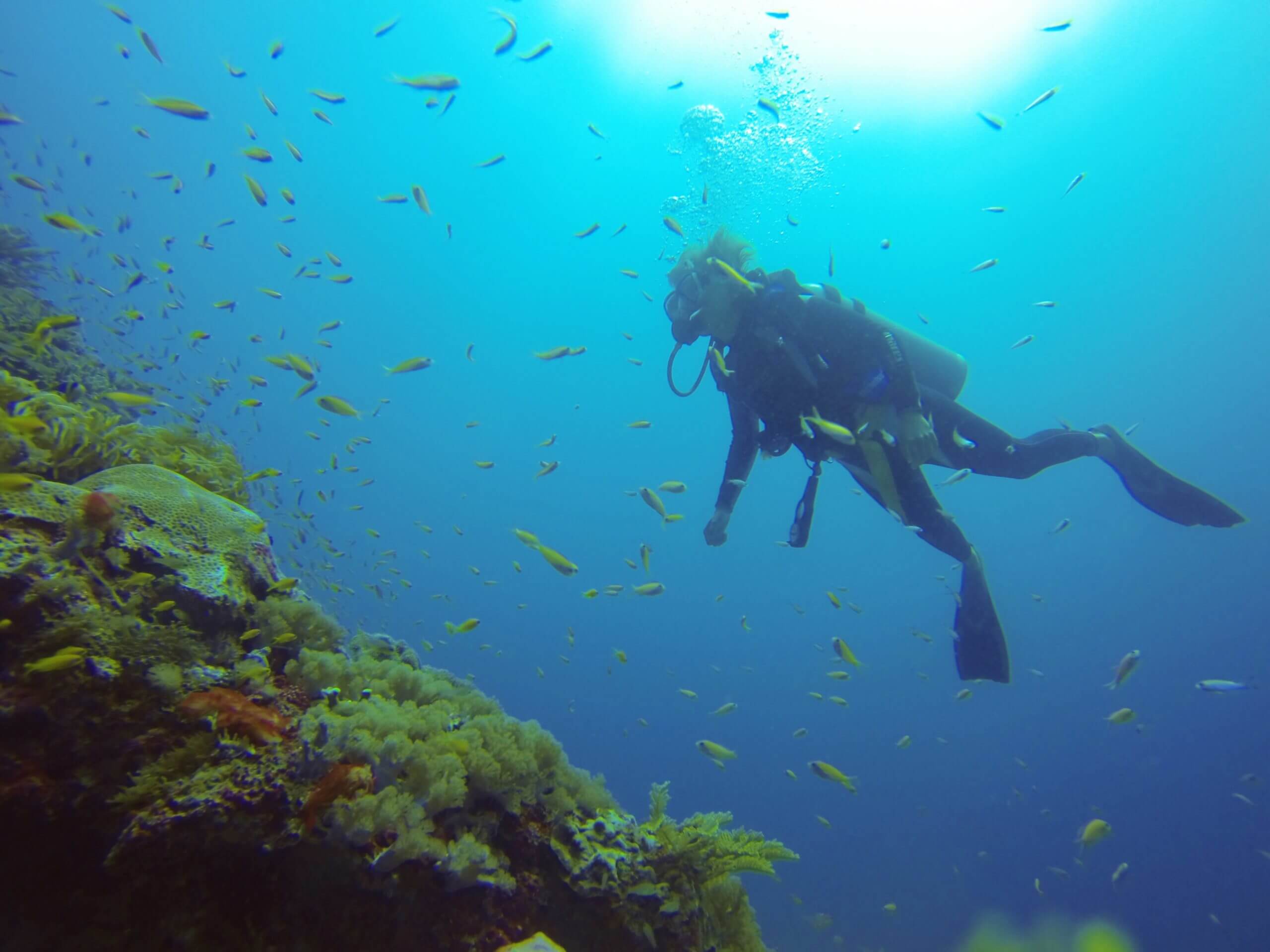
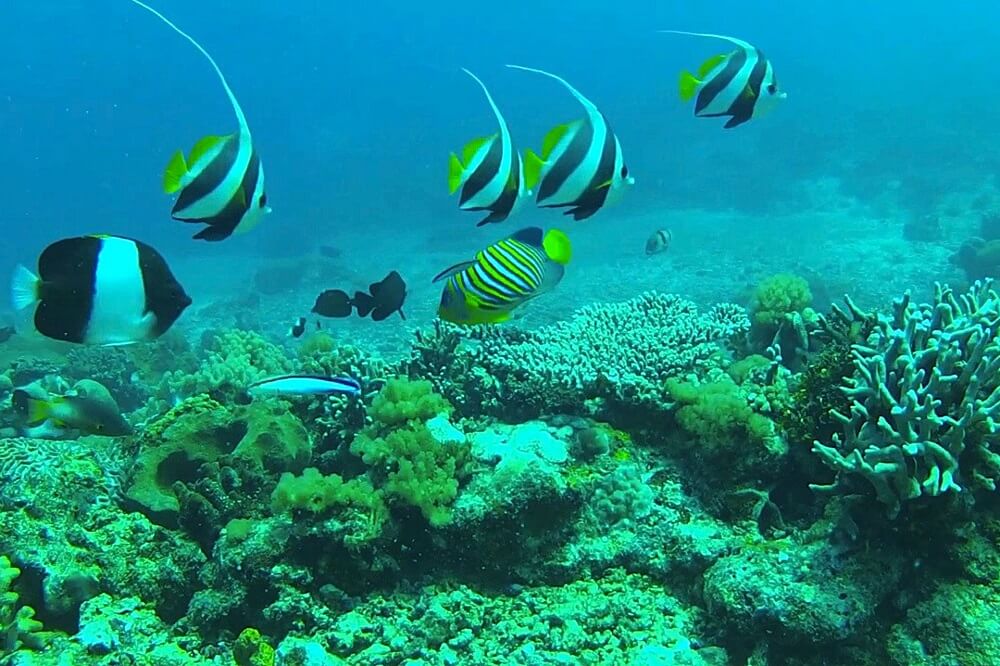
  • Snorkeling & Diving – explore vibrant coral reefs teeming with fish.

  • Dolphin & Whale Watching (seasonal).

  • Traditional Dhow Sailing at sunset.

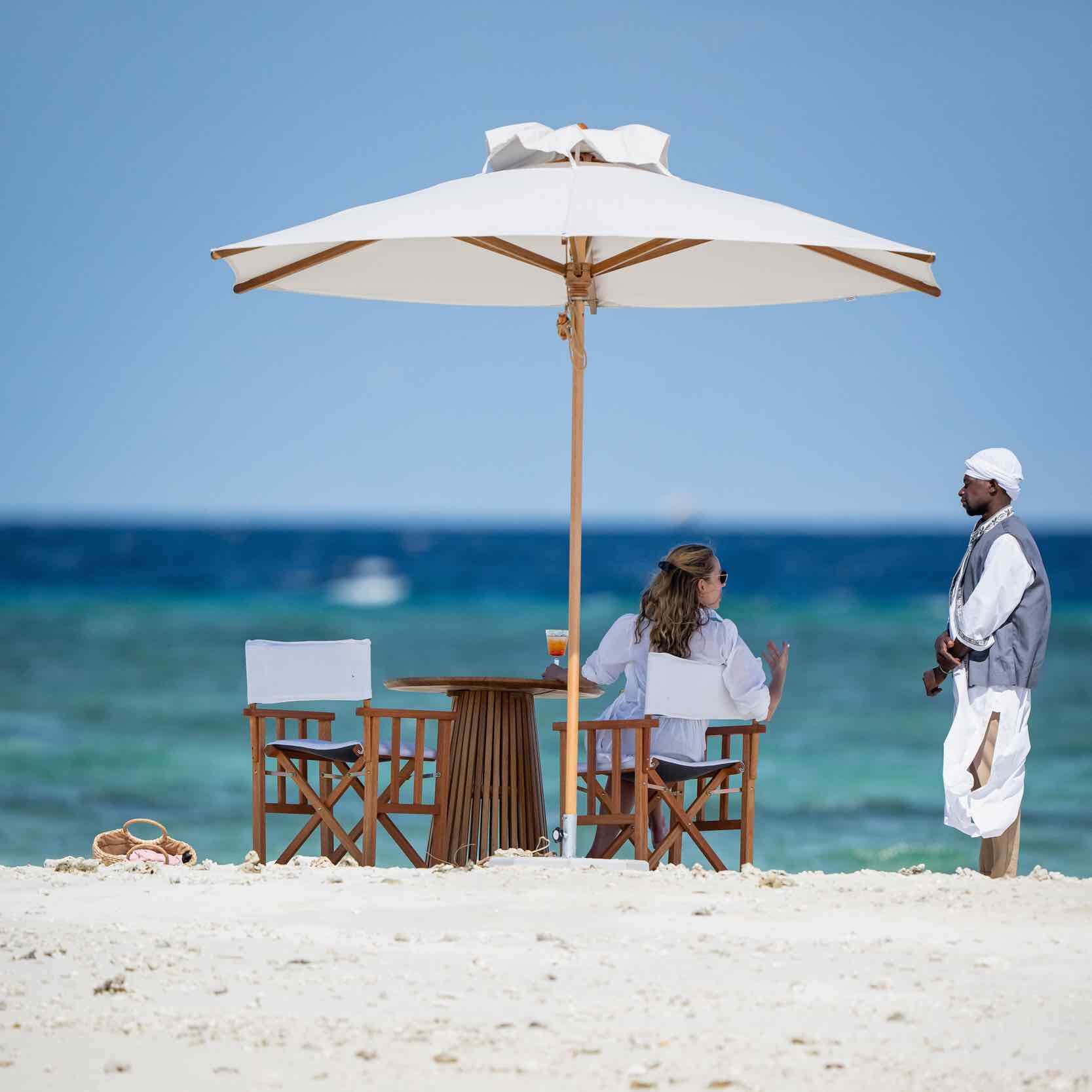
  • Sandbank Picnics – enjoy private dining on a remote sandbank.

  • Birdwatching – spot colonies of seabirds like sooty terns and crab plovers.

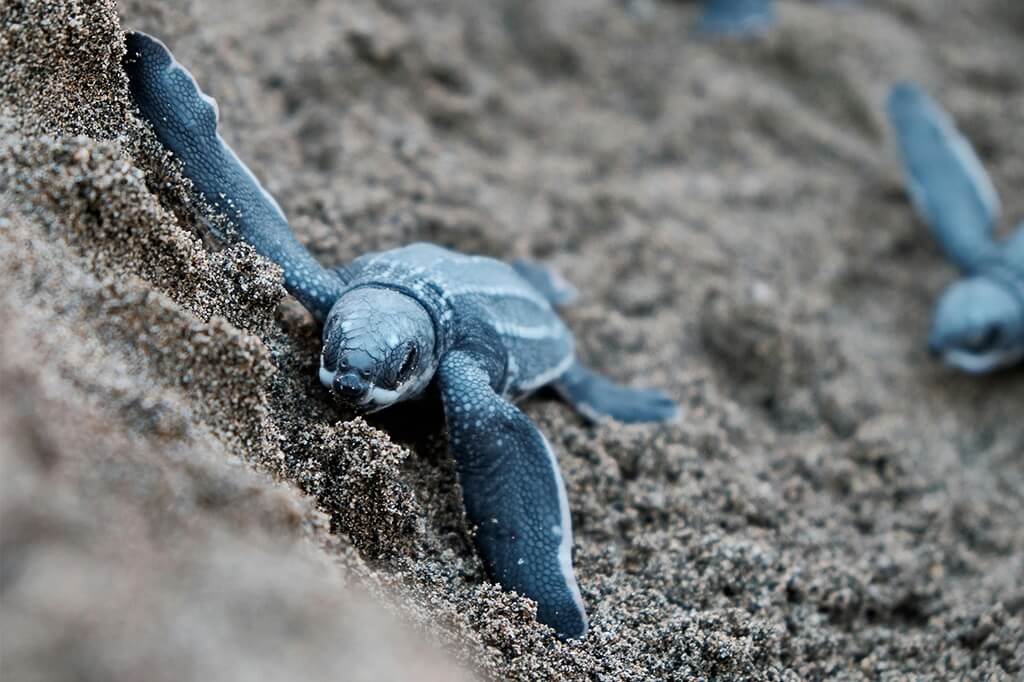
  • Turtle Watching – see nesting and hatching (seasonal).

  • Nature Walks – guided exploration of the island’s flora and fauna.

  • Stargazing – some of the clearest skies in East Africa.

[ FAQ ]

Common Questions

Where is Serengeti National Park located?

Serengeti National Park is located in northern Tanzania, forming part of a vast ecosystem that extends into Kenya’s Maasai Mara.

The park is best known for the Great Wildebeest Migration, where millions of wildebeest, zebras, and gazelles move in search of fresh grazing.
You can see the Big Five (lion, leopard, elephant, buffalo, and rhino), along with cheetahs, giraffes, hyenas, and a wide variety of bird species.
You can reach the park by road from Arusha or by domestic flights to various airstrips within the park.
A stay of 3 to 5 days is recommended to fully experience the park and increase your chances of seeing diverse wildlife.
Yes, it is suitable for families, though some lodges may have age restrictions for safety reasons.

Yes, game drives are safe when conducted by professional guides who follow park regulations and wildlife safety guidelines.

Yes, the migration is a continuous cycle, but its location changes throughout the year within the Serengeti ecosystem.

Absolutely. Many travelers combine it with Ngorongoro Crater, Tarangire National Park, or a beach holiday in Zanzibar.

Quick Links

Interested?

Get all the trip details & itinerary delivered straight to your inbox!

Proven Journeys. Trusted Expertise.

Our safari destinations are carefully selected through real on-the-ground experience and guided by deep local expertise, ensuring every journey delivers authentic wildlife encounters, seamless logistics, and truly memorable moments across Tanzania.

Receive expert guidance from our Tanzania safari specialists