

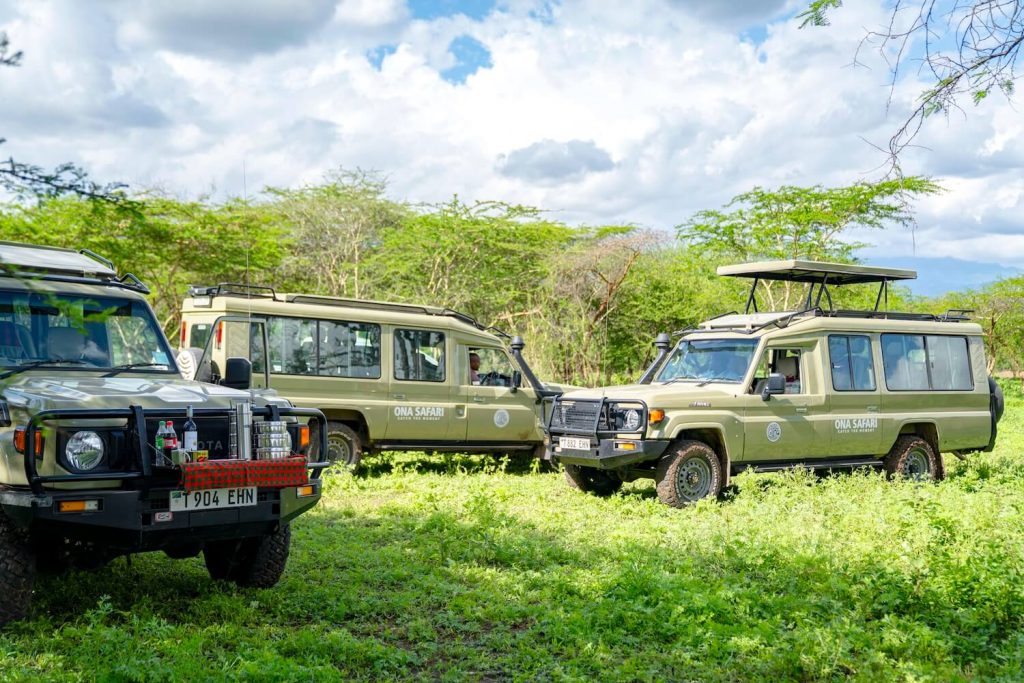
A safari in Tanzania is often described as a once-in-a-lifetime experience from the vast plains of Serengeti National Park to the wildlife-rich Ngorongoro Crater.
However, one of the most common questions travelers ask is:
“How much does a Tanzania safari really cost?”
The honest answer is: it depends. Safari pricing is influenced by multiple factors, each contributing to the final package cost. This guide breaks down all the major cost components to help you understand exactly what you are paying for.
Average Tanzania Safari Cost
Before diving into details, here’s a general overview:
- Budget Safari: $280 – $400 per person/day
- Mid-range Safari: $400 – $850 per person/day
- Luxury Safari: $850 – $1,600+ per person/day
A typical 5–7 day safari ranges from:
$2,500 to $7,000+ per person, depending on your travel style.
Key Elements That Determine Safari Cost
- Accommodation (Biggest Cost Factor)
Accommodation is the largest contributor to safari pricing.
Categories:
- Budget: Camping or basic lodges ($100–$200/night)
- Mid-range: Comfortable lodges/tented camps ($250–$500/night)
- Luxury: High-end lodges ($600–$1,500+/night)
In prime areas like the Serengeti:
- Luxury camps can reach $2,000+ per night
Difference between mid-range and luxury can be 2–4 times higher per night.
- Seasonality (Time of Travel)
Safari prices fluctuate significantly based on season:
High Season (June–October, December)
- Best wildlife viewing (Great Migration)
- Prices increase 20–40% higher
Low / Green Season (March–May)
- Fewer tourists
- Discounts up to 40%
- Lush landscapes, but rainy conditions
Shoulder Season (Nov & early Dec)
- Best value for money
Timing your safari can save or double your budget.
- Park Entry & Conservation Fees
These are fixed government costs and cannot be avoided.
Typical fees per person per day:
- Serengeti: ~$70
- Ngorongoro: ~$70 + $295 crater fee
- Tarangire: ~$50–$60
These fees alone can add $500–$1,000+ per trip.
- Group Size
The number of travelers greatly impacts cost:
- Solo travelers: Most expensive (no cost sharing)
- Couples: Moderate pricing
- Groups (4–6 people): Cheapest per person
Shared costs include:
- Vehicle
- Fuel
- Guide fees
Larger groups can reduce costs by 20–40% per person.
- Safari Type: Private vs Shared
Private Safari
- Exclusive vehicle and guide
- Flexible itinerary
- Higher cost
Shared Safari (Group Joining)
- Shared vehicle
- Fixed schedule
- Lower cost
Shared safaris are more affordable, while private safaris offer comfort and flexibility.
- Duration of Stay
The longer your safari, the higher the total cost—but:
- Short safaris (3 days): Higher cost per day
- Longer safaris (7–10 days): Better value per day
Example:
- 3-day safari: ~$700/day
- 10-day safari: ~$550/day
Longer safaris = better value + deeper experience.
- Transfer & Transport Costs
Transport is a major cost component.
Road Safari:
- 4×4 Land Cruiser
- Fuel + driver included
- More affordable
Fly-in Safari:
- Domestic flights between parks
- Saves time but increases cost significantly
Internal flights can cost $200–$600+ per leg.
- Guide & Staff Fees
Professional safari guides are essential.
Costs include:
- Guide salary
- Allowances
- Accommodation
- Park access
Usually included in package price, but contributes significantly to overall cost.
Experienced guides (10+ years) often justify higher pricing due to:
- Wildlife tracking expertise
- Safety
- Quality of experience
- Tips & Gratuities
Tipping is customary in Tanzania:
- Guide: $10–$20 per person/day
- Camp staff: $5–$10 per person/day
Total tips for a 7-day safari:
$100–$200 per person
- Optional Activities & Extras
These can significantly increase the budget:
- Hot air balloon safari: $500–$600
- Maasai village visit: $30–$50
- Alcohol & premium drinks
- Travel insurance
These are not always included in standard packages.
Example Safari Cost Breakdown
Typical mid-range safari:
- Accommodation: $1,750
- Park fees: $490
- Vehicle & fuel: $650
- Total: ~$2,800–$3,000 per person
Why Tanzania Safaris Are Expensive
Safari pricing is different from normal holidays because of:
- Government conservation fees
- Remote locations
- Specialized vehicles
- Professional guides
- Limited accommodation supply
NOTE:
The budget safaris cannot go extremely low due to these fixed costs.