Rubondo Island National Park

South-western Tanzania

Destination

  1. Home
  2. Rubondo Island National Park

All about Rubondo island

Overview

Rubondo Island, tucked away in the southwestern waters of Lake Victoria, is Africa’s largest island national park and one of Tanzania’s best-kept secrets. Covering 457 km² of pristine forest, savannah, and shoreline, the island feels untouched and wild a sanctuary where wildlife thrives with minimal human presence.

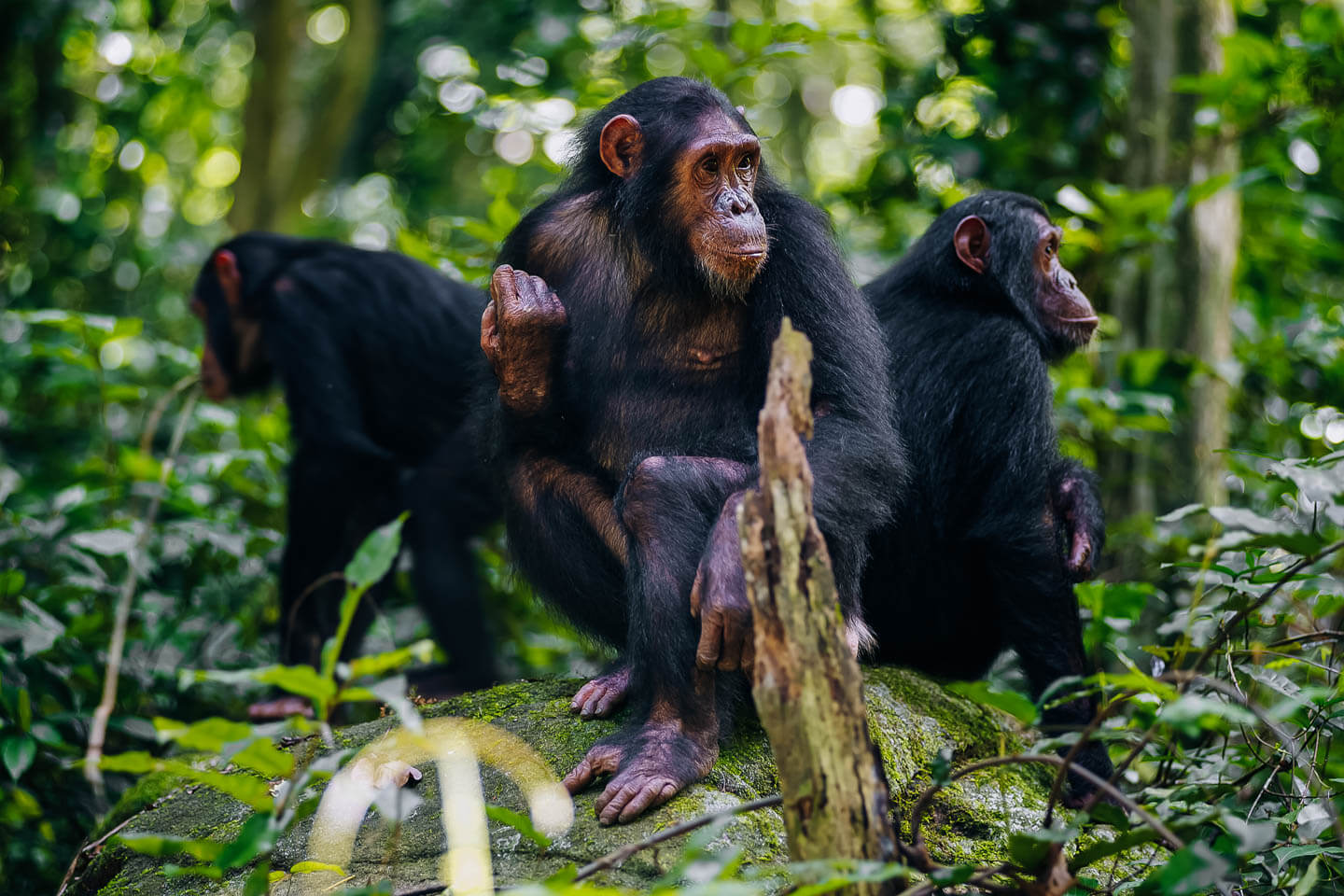
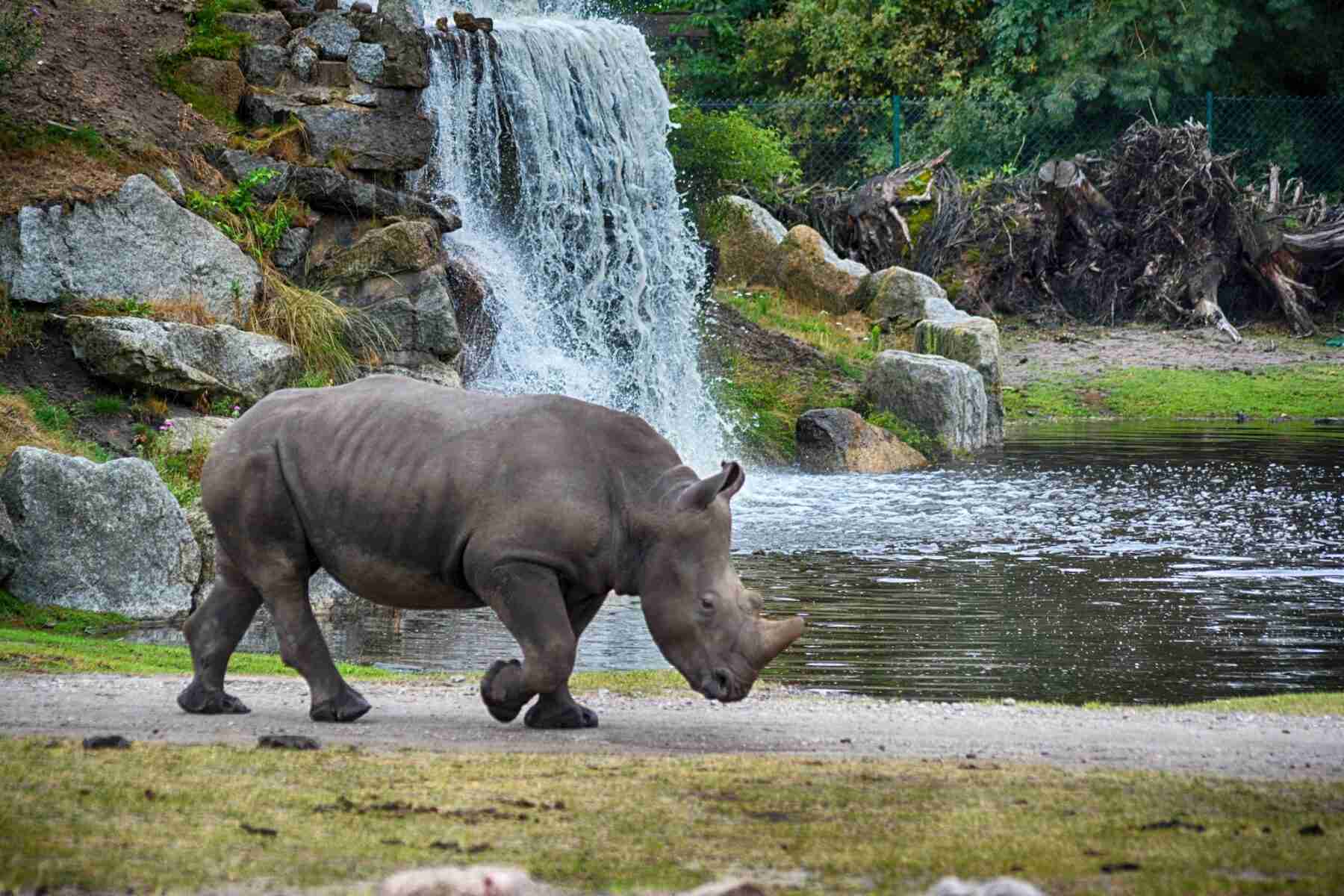
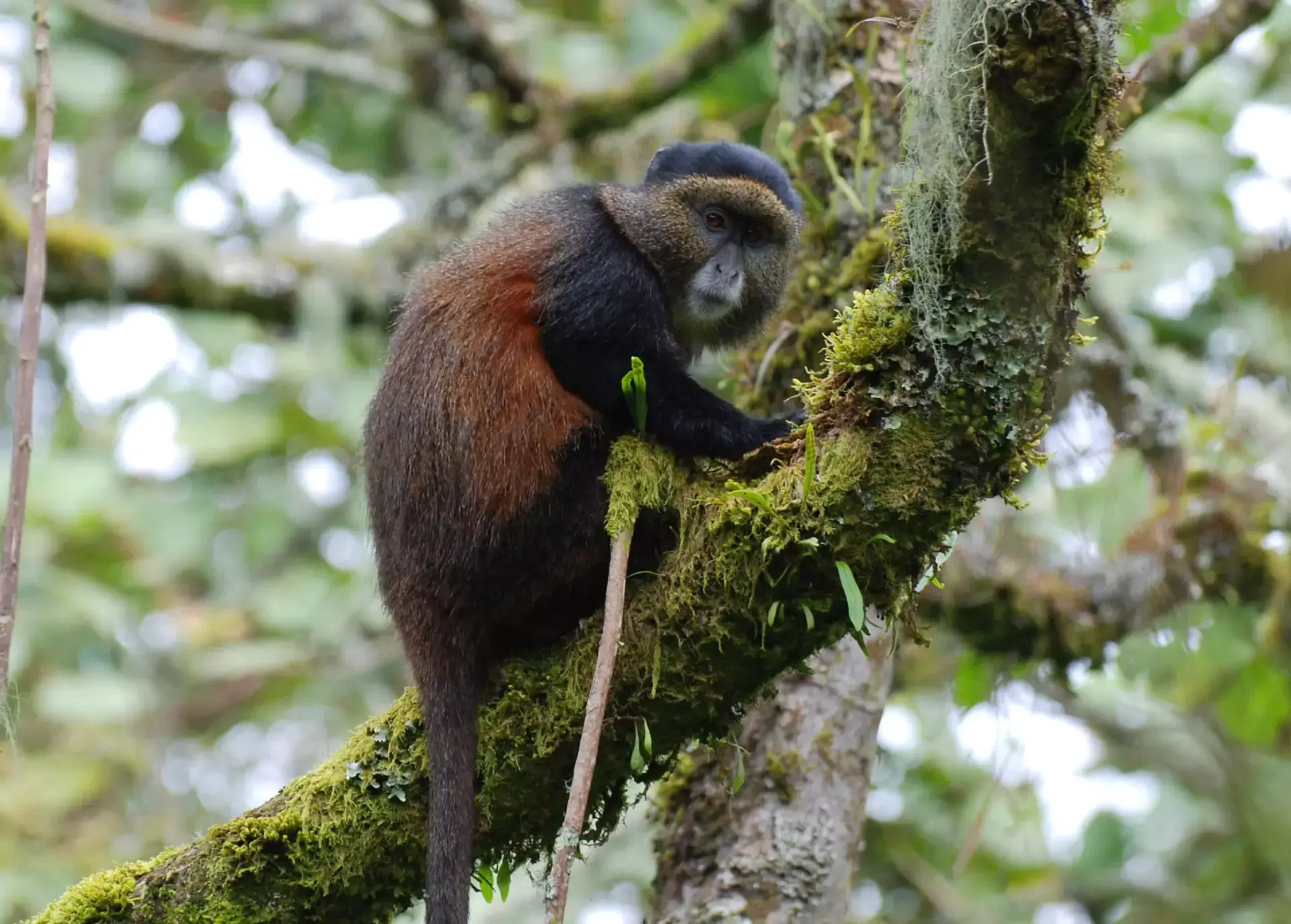
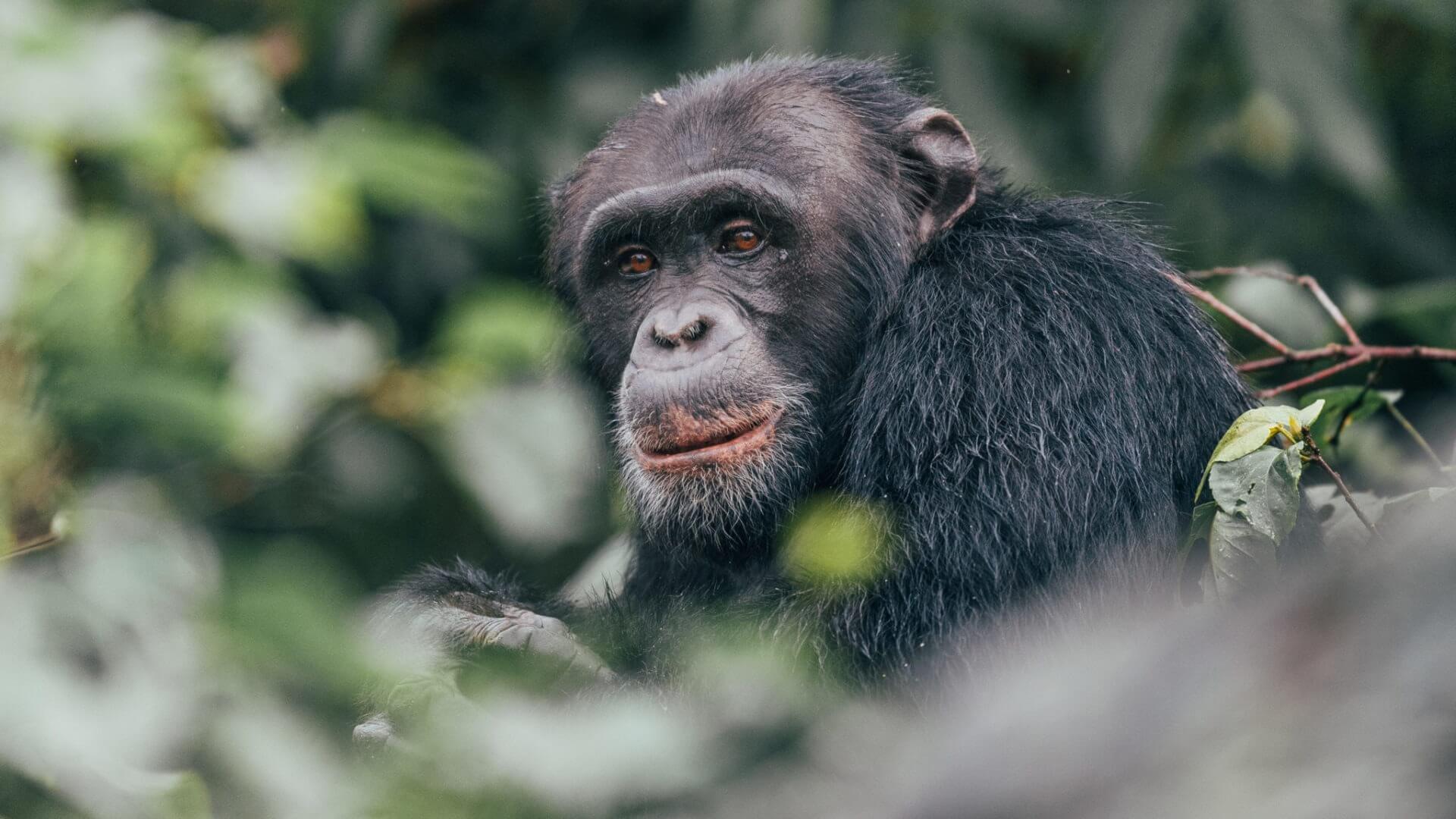
The park is especially famous for its chimpanzee population, introduced in the 1960s, and now offering rare opportunities for chimp tracking. Beyond chimps, the island shelters elephants, giraffes, hippos, sitatunga antelope, and an astonishing array of birdlife with over 300 recorded species.

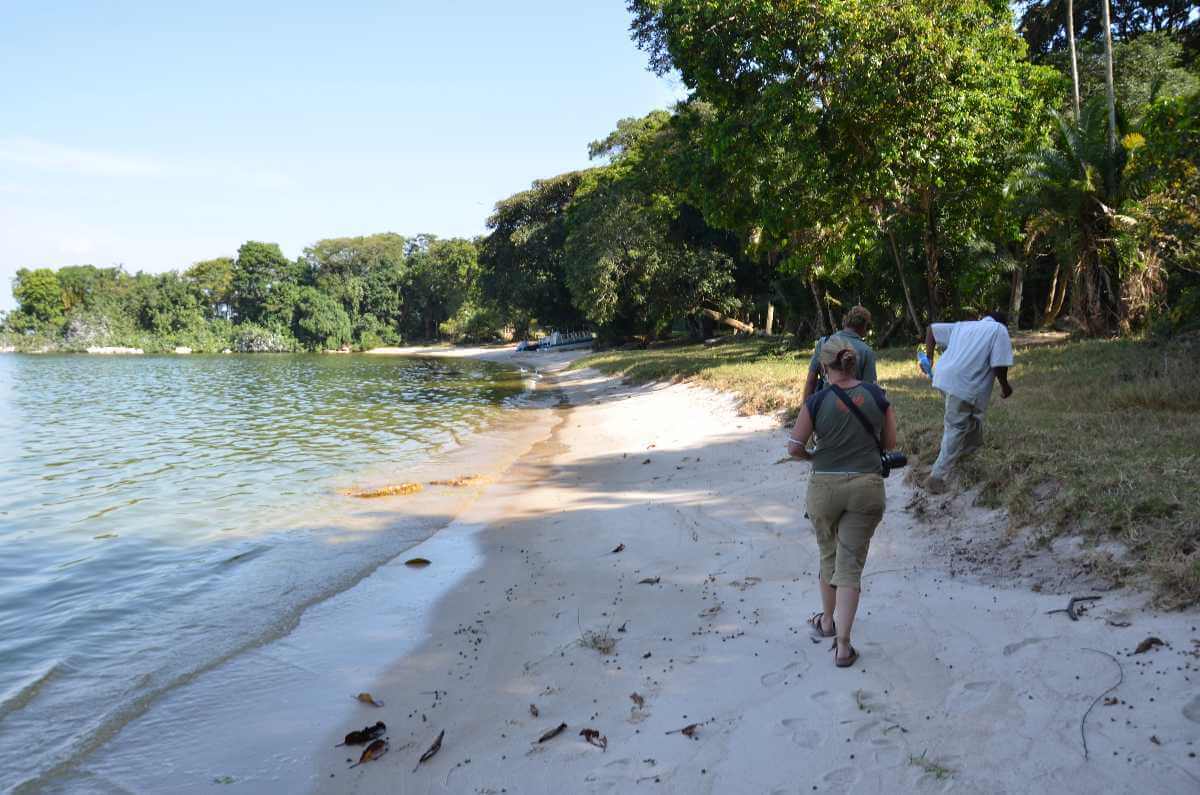
What makes Rubondo truly unique is its mix of forest adventure, lake exploration, and absolute seclusion. Guests can enjoy guided forest walks, boat safaris, canoeing, fishing for giant Nile perch, or simply relaxing on sandy beaches with no crowds in sight.

For adventurous travelers, Rubondo offers an off-the-beaten-path safari experience unlike anywhere else in Tanzania remote, exclusive, and deeply connected to nature.

Activities on Rubondo

  • Chimpanzee habituation experience (walk with researchers).

  • Guided forest walks (spot sitatunga, bushbuck, and rare birds).

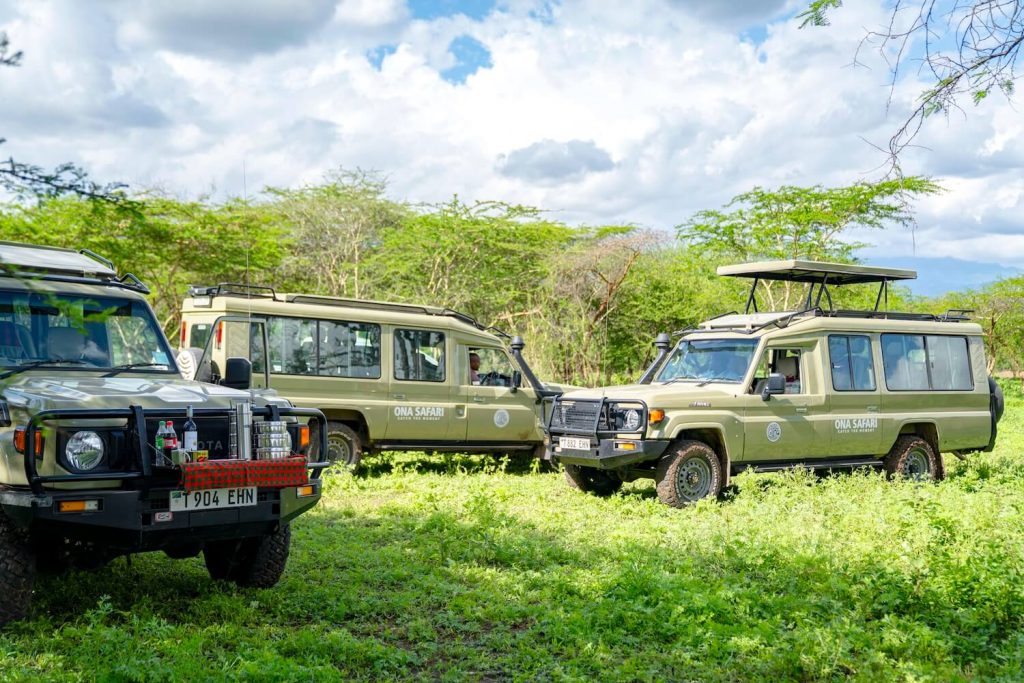
  • Game drives (low density, but very wild feel).

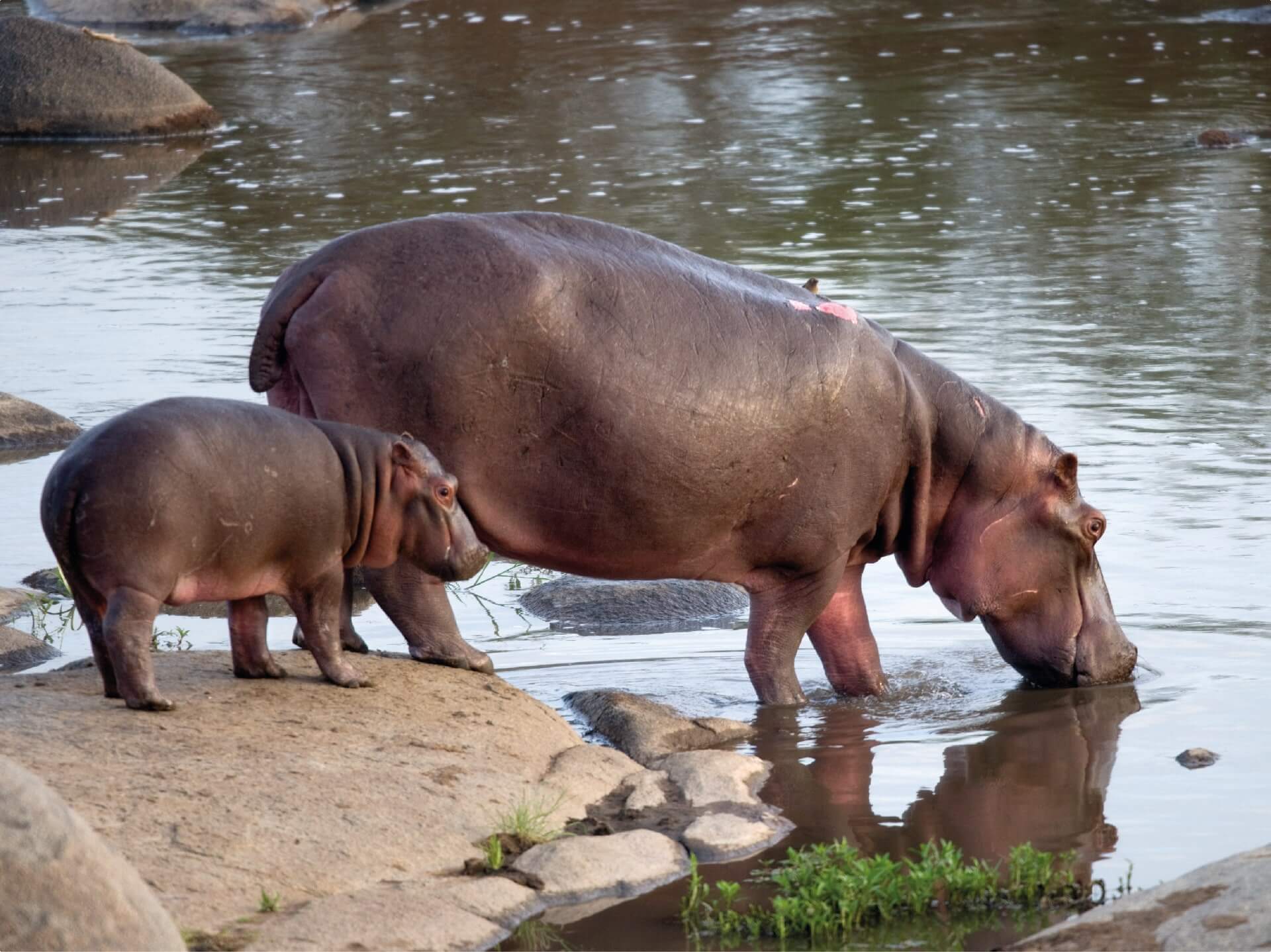
  • Canoeing & boat safaris (hippos, crocodiles, birdlife).

  • Sport fishing (catch-and-release Nile perch, some over 100 kg!).

  • Relaxing on remote sandy beaches of Lake Victoria.

Best Time to Visit

  • Dry Season (June–October): Best for chimp tracking and general exploration.

  • Green Season (Nov–May): Lush landscapes, excellent birding, but heavier rains.

Getting There

  • By Air: Small charter flights from Arusha, Serengeti, or Mwanza land directly on Rubondo.

  • By Boat: Some lodges arrange private boat transfers from Mwanza or the mainland.

Why Rubondo is Special

  • Chimpanzee Tracking

Rubondo is one of the only places in Tanzania (outside of Gombe & Mahale) where you can track chimpanzees. The chimps were introduced in the 1960s and have since thrived in the island’s dense forests.

  • Birdwatcher’s Paradise

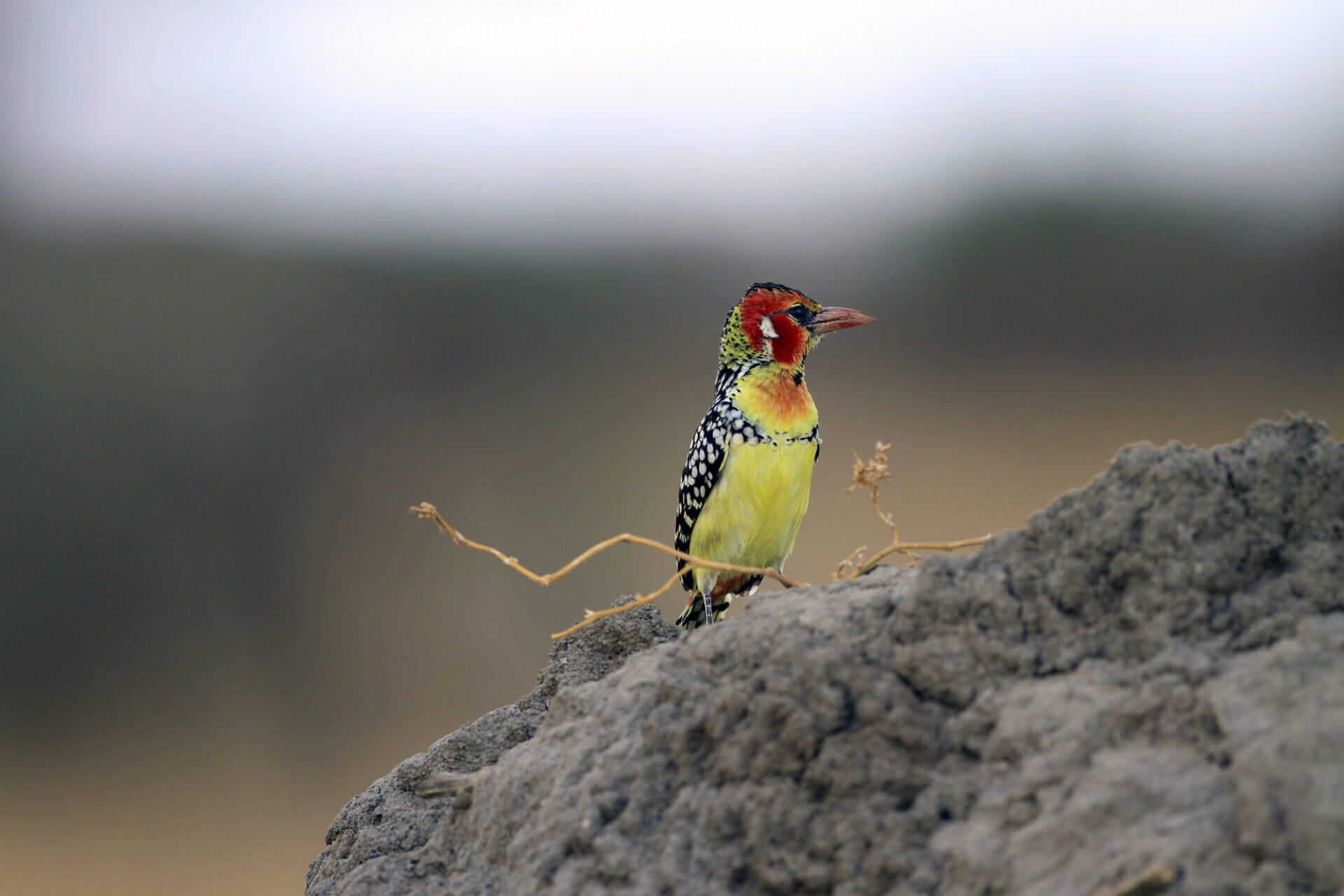
Over 300 bird species including African fish eagles, kingfishers, storks, and migratory birds. The island is especially rewarding for rare and aquatic bird sightings.

  • Unique Wildlife

Home to sitatunga antelope, bushbuck, elephants, giraffes, and hippos. Lake Victoria shores bring in Nile crocodiles and giant Nile perch.

  • Pristine Wilderness

Few visitors compared to Serengeti or Ngorongoro. Offers a true off-the-beaten-path safari experience forests, beaches, and lake exploration.

[ FAQ ]

Common Questions

Where is Serengeti National Park located?

Serengeti National Park is located in northern Tanzania, forming part of a vast ecosystem that extends into Kenya’s Maasai Mara.

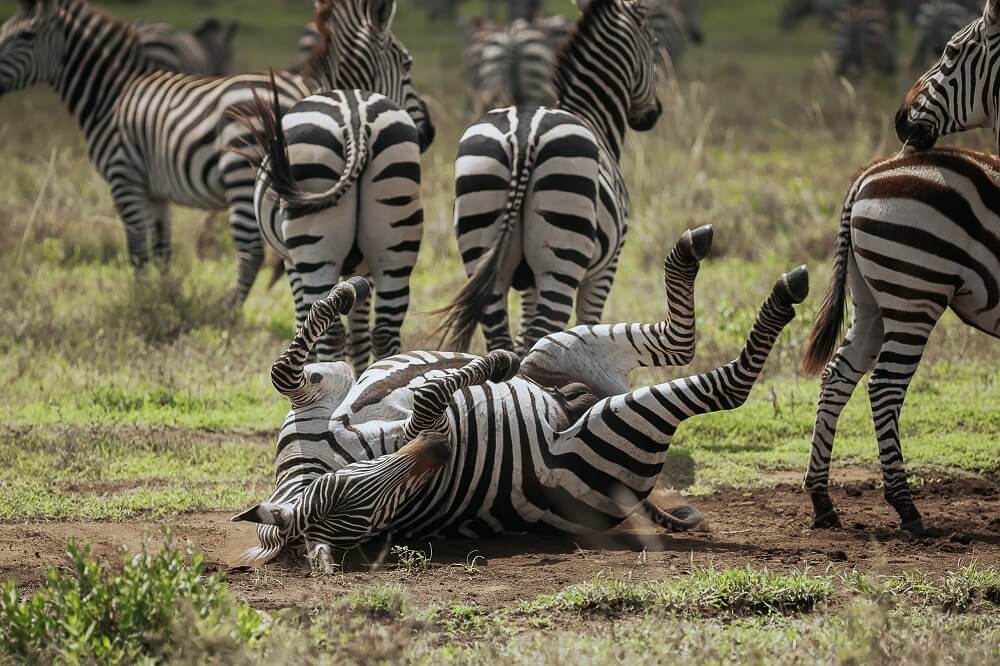
The park is best known for the Great Wildebeest Migration, where millions of wildebeest, zebras, and gazelles move in search of fresh grazing.
You can see the Big Five (lion, leopard, elephant, buffalo, and rhino), along with cheetahs, giraffes, hyenas, and a wide variety of bird species.
You can reach the park by road from Arusha or by domestic flights to various airstrips within the park.
A stay of 3 to 5 days is recommended to fully experience the park and increase your chances of seeing diverse wildlife.
Yes, it is suitable for families, though some lodges may have age restrictions for safety reasons.

Yes, game drives are safe when conducted by professional guides who follow park regulations and wildlife safety guidelines.

Yes, the migration is a continuous cycle, but its location changes throughout the year within the Serengeti ecosystem.

Absolutely. Many travelers combine it with Ngorongoro Crater, Tarangire National Park, or a beach holiday in Zanzibar.

Quick Links

Interested?

Get all the trip details & itinerary delivered straight to your inbox!

Proven Journeys. Trusted Expertise.

Our safari destinations are carefully selected through real on-the-ground experience and guided by deep local expertise, ensuring every journey delivers authentic wildlife encounters, seamless logistics, and truly memorable moments across Tanzania.

Receive expert guidance from our Tanzania safari specialists